1866–1934
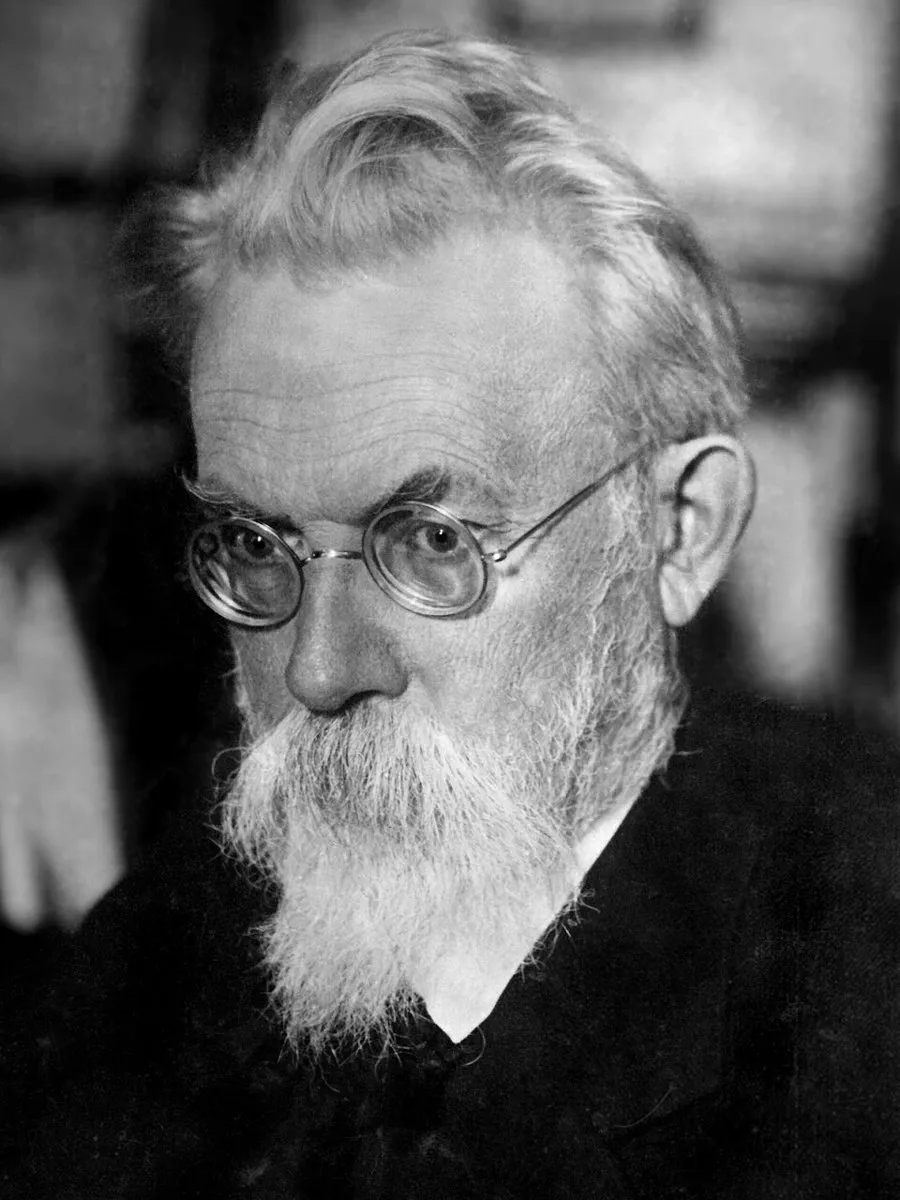
Mykhailo Hrushevskyi
Historian, head of the Central Rada
One of Ukraine’s greatest historians, author of the ten-volume History of Ukraine-Rus’, and head of the Ukrainian Central Rada (council), under which Ukraine declared independence in 1918.
Key accomplishments
- The monumental History of Ukraine-Rus’ in 10 volumes
- President of the Shevchenko Scientific Society in Lviv (1897–1913)
- Head of the Ukrainian Central Rada (1917–1918)
- Proclamation of the independence of the Ukrainian People’s Republic by the Fourth Universal (January 1918)
Who he was
Mykhailo Hrushevskyi was born in the town of Kholm (now Chełm in Poland) into the family of an educator. He studied at Kyiv University. In 1894 he became head of the chair of world history with a special focus on the history of Eastern Europe at Lviv University, in effect the first chair of Ukrainian history. He built up the Shevchenko Scientific Society to the level of a true academy of sciences.
His story
In his History of Ukraine-Rus’, Hrushevskyi set out the concept of the continuity of Ukrainian history from Kyivan Rus’ to modern times, separate from the history of Russia. This concept became the foundation of Ukrainian historical scholarship.
In 1917 he was elected head of the Ukrainian Central Rada. Under his leadership the Rada proclaimed autonomy, and then, on 22 January 1918, by its Fourth Universal (proclamation), the independence of the Ukrainian People’s Republic. In March 1919 he emigrated, and in 1924 he returned to Soviet Ukraine. In March 1931 he was forced to move to Moscow, where he was soon arrested. After his release he lived under surveillance until his death. In 1934, in Kislovodsk, he died suddenly after a minor operation, and the circumstances of his death arouse suspicion.
Why it matters today
Hrushevskyi gave Ukrainians a scholarly history of their own people and led the Central Rada, the representative body that proclaimed the Ukrainian People’s Republic. The building of the Verkhovna Rada, Ukraine’s parliament, stands on a street named after him.