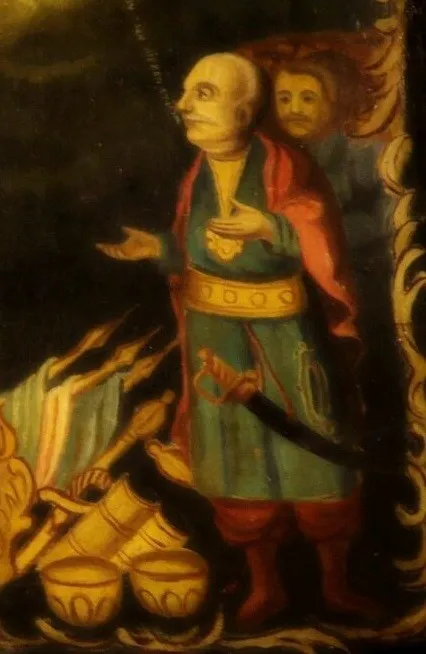
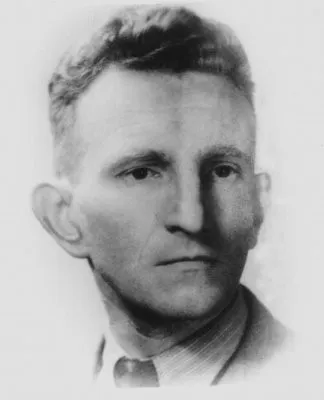
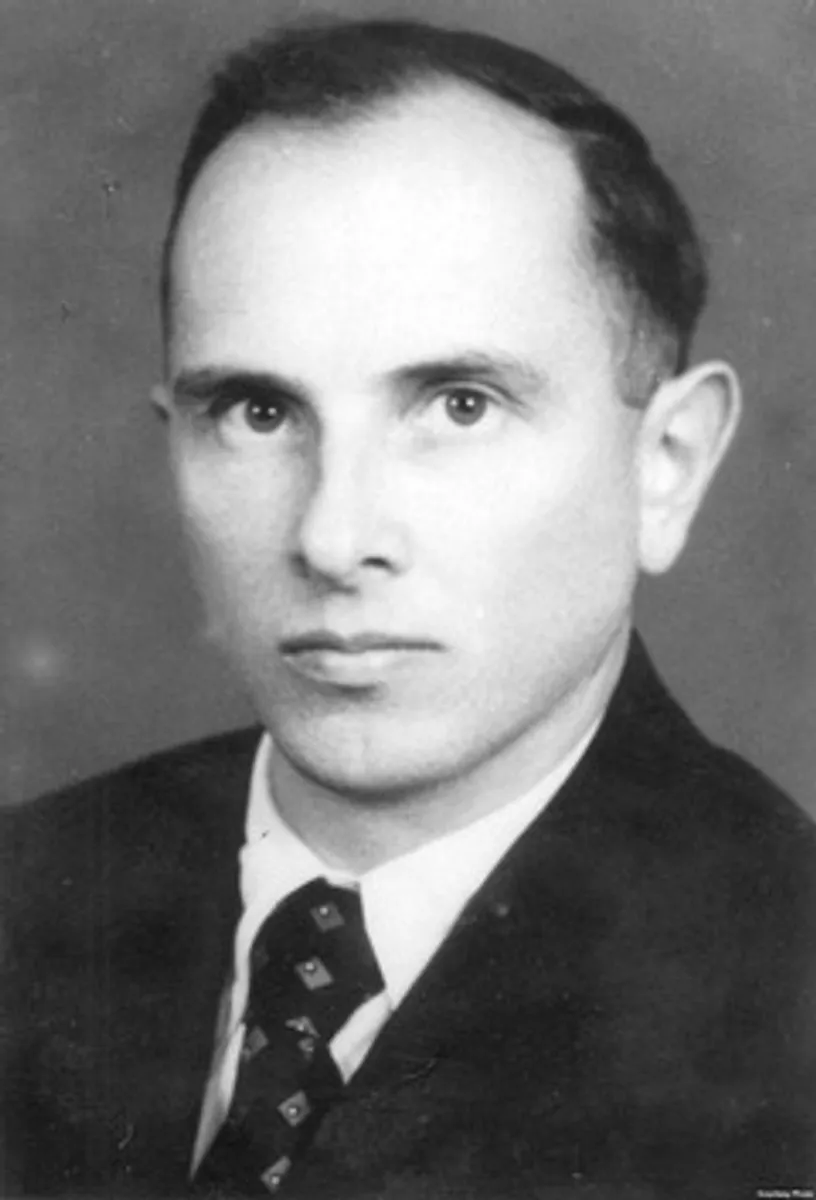
c. 1595–1657
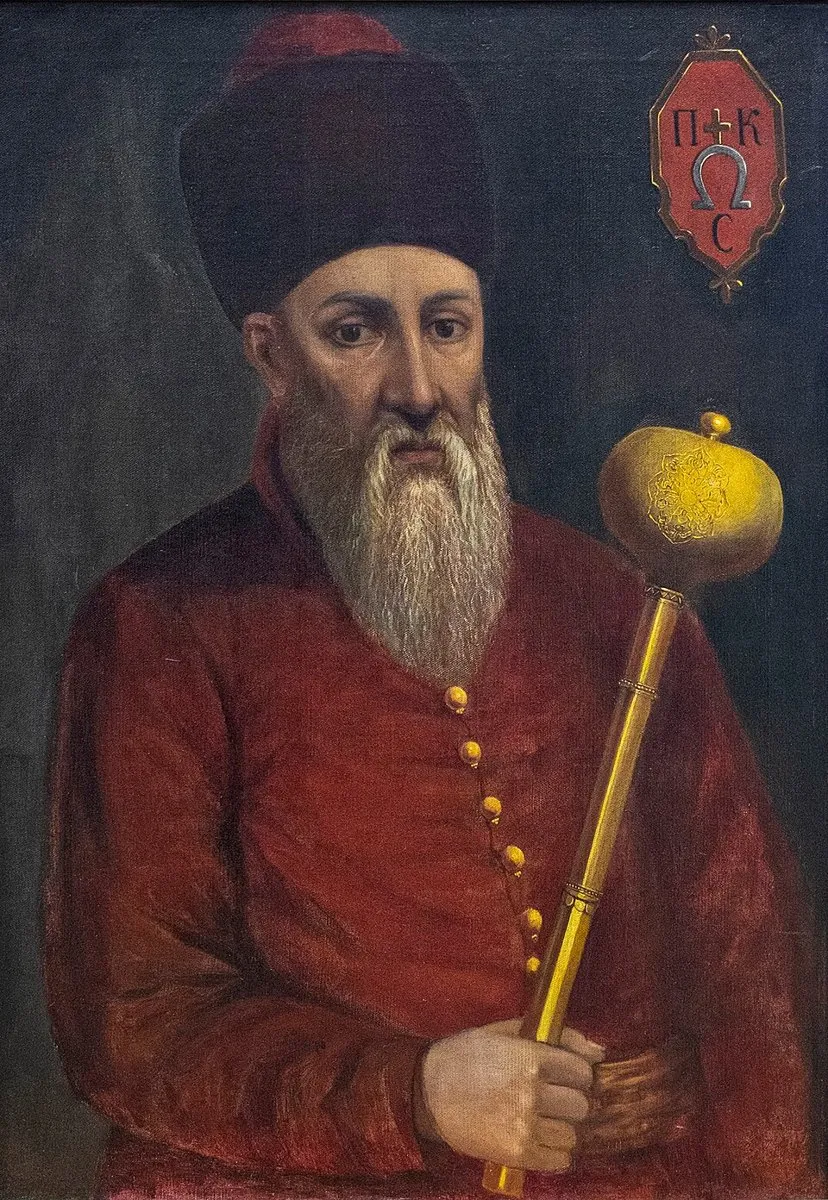
Bohdan Khmelnytskyi
Hetman, founder of the Cossack state
Hetman of the Zaporozhian Host who led the uprising of 1648 and created a Cossack state, the Hetmanate. A gifted commander and diplomat who negotiated with many states of Central and Eastern Europe and with the Ottoman Empire.
Key accomplishments
- Led the national liberation war of 1648–1657
- Victories at Zhovti Vody, Korsun and Pyliavtsi (1648)
- Created the Ukrainian Cossack state, the Hetmanate
- Wide-ranging diplomacy with the Crimean Khanate, the Ottoman Empire, Sweden, Transylvania and Muscovy
Who he was
Bohdan (Zynovii) Khmelnytskyi was born into the family of the nobleman Mykhailo Khmelnytskyi. His exact date and place of birth are unknown; most often 1595 and the homestead of Subotiv are given. He studied at a Jesuit college, fought in the Battle of Cecora in 1620 and spent two years in Turkish captivity. For a long time he was a sotnyk (Cossack captain) in Chyhyryn.
His story
In 1648, after suffering a personal wrong at the hands of a Polish nobleman, and on a wave of discontent among the Cossacks, Khmelnytskyi led an uprising that grew into a war of liberation. A series of victories in 1648 freed a large part of Ukraine from the rule of the Polish-Lithuanian Commonwealth, although the war went on with mixed success; in 1651, for example, the Cossacks suffered a heavy defeat at Berestechko. On the liberated lands a Cossack state, the Hetmanate, emerged, with its own army, administration and diplomacy.
In 1654, at the Pereiaslav Council, Khmelnytskyi accepted the protection of the Muscovite tsar. He died in 1657 in Chyhyryn and was buried in Subotiv, in St. Elijah’s Church, which, according to tradition, was built at his expense.
Debates and assessments
During the uprising of 1648–1649, tens of thousands of civilians were killed, including Jews and Poles; in Jewish historical memory these events are one of the greatest tragedies. The alliance with the Crimean Khanate cost the population dearly: the Tatars, the hetman’s allies, took civilians captive (the yasyr). Historians regard the Pereiaslav agreement of 1654 as a forced military alliance, but it marked the beginning of Ukraine’s long dependence on Moscow.
Why it matters today
Khmelnytskyi created a Ukrainian state of the early modern era, which became the foundation for the hetmans who followed him. His portrait is on the 5 hryvnia banknote.