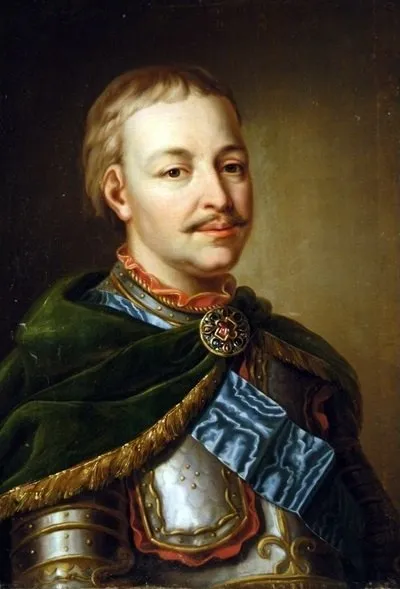
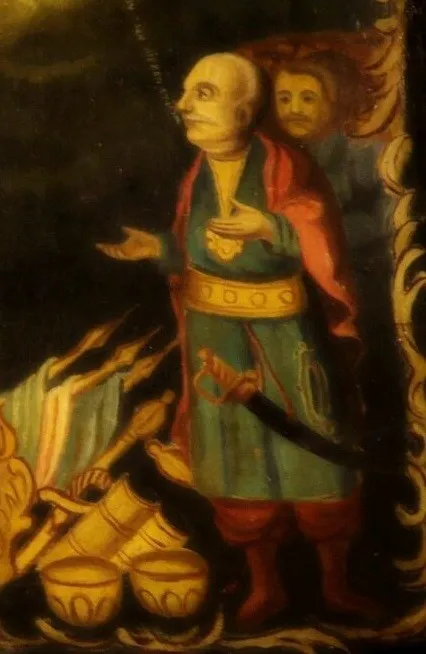
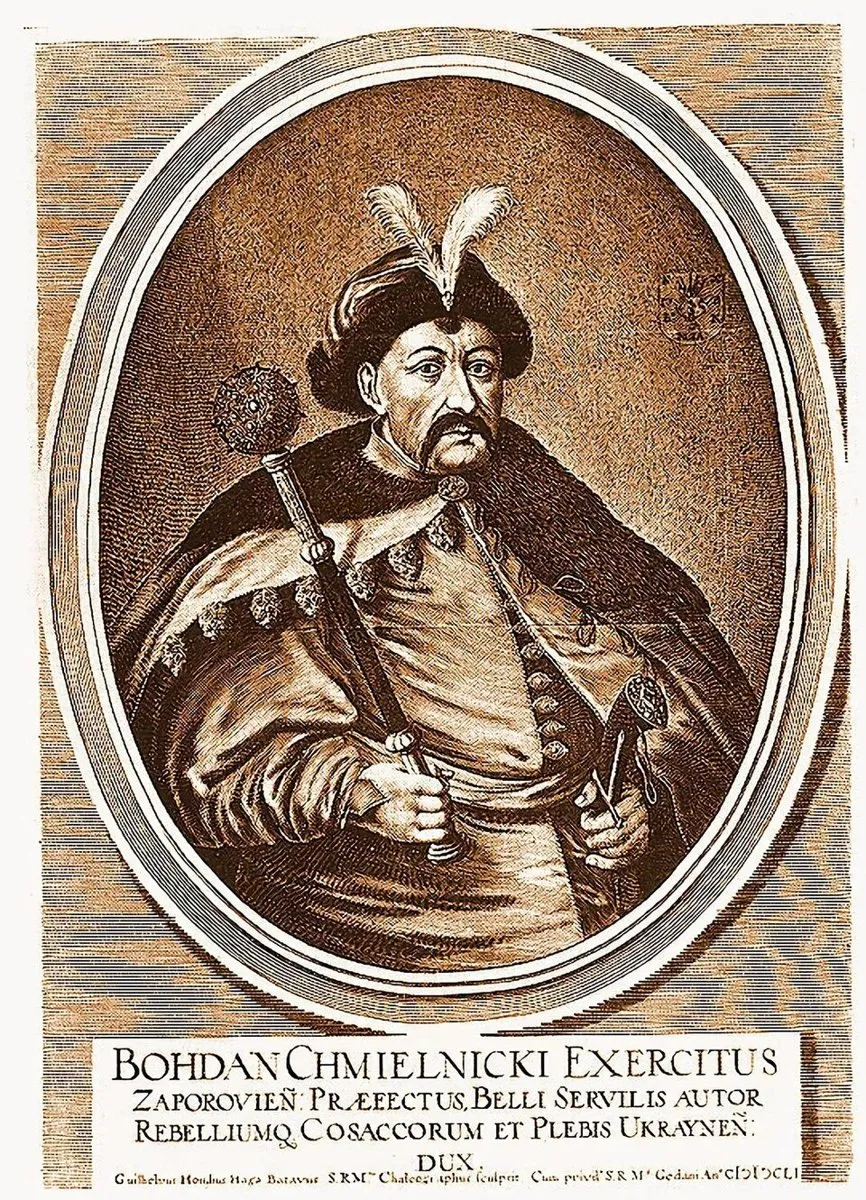
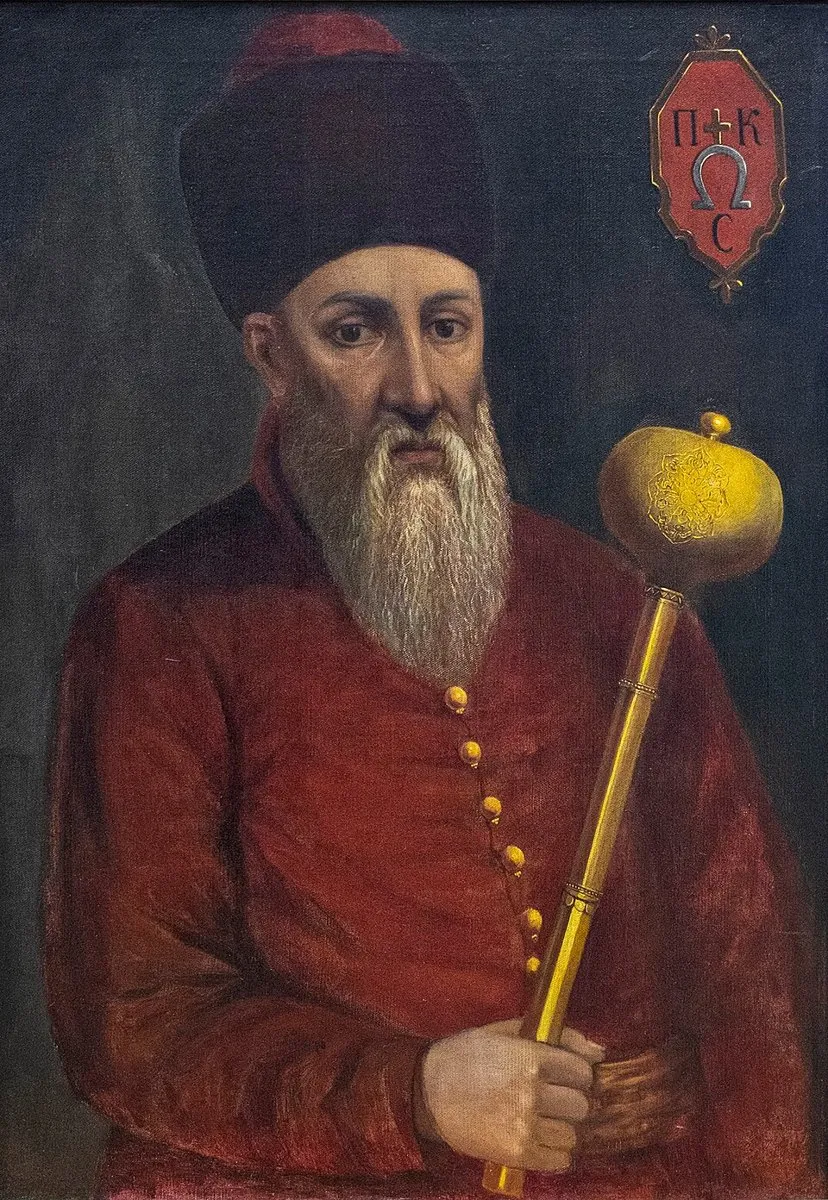
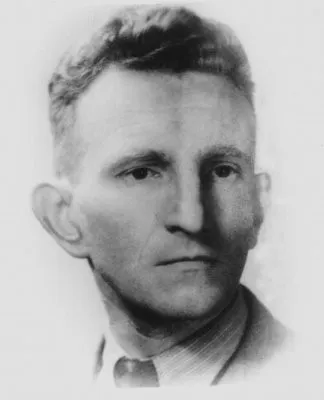
1672–1742
Pylyp Orlyk
Hetman in exile, constitution author
Mazepa’s general chancellor, elected hetman near Bender in 1710. Chief author of the Pacts and Constitutions, an agreement that limited the hetman’s power. He spent over 30 years in exile, seeking allies in Europe to free Ukraine.
Key accomplishments
- General chancellor, head of the chancellery, under Hetman Ivan Mazepa
- Elected hetman of the Zaporozhian Host in exile near Bender (16 April 1710)
- Chief author of the Pacts and Constitutions of the Rights and Liberties of the Zaporozhian Host (1710)
- Over 30 years of diplomacy in exile: Sweden, the Holy Roman Empire, the Polish-Lithuanian Commonwealth, the Ottoman Empire
Who he was
Pylyp Orlyk was born in 1672 in the village of Kosuta in the Vilnius region (now Belarus) into a noble family. He studied at the Jesuit academy in Vilnius and in 1694 graduated from the Kyiv-Mohyla Collegium. He worked in the chancellery of the Kyiv Metropolitanate, then in the General Military Chancellery of the Hetmanate, and rose to the post of general chancellor, the closest aide of Hetman Ivan Mazepa. He also wrote poetry, including panegyrics in Mazepa’s honor.
His story
After the defeat at Poltava in 1709, Orlyk retreated with Mazepa to Ottoman territory, to Bender. After Mazepa’s death, on 16 April 1710, the Cossack officers and the Zaporozhians elected him hetman. On the same day he signed the Pacts and Constitutions of the Rights and Liberties of the Zaporozhian Host, of which he was the chief author. The document limited the hetman’s power, provided for regular General Councils of officers and delegates from the regiments and Zaporizhzhia, and secured the rights of the Cossacks.
Orlyk never managed to win Ukraine back: in 1711 his campaign into Right-Bank Ukraine with the Tatars and Zaporozhians ended in failure. Decades of exile followed. In 1714 he moved to Sweden, in 1720 to Silesia, and in 1721 to the Polish-Lithuanian Commonwealth. From 1722 to 1734 he lived in Salonika under Ottoman supervision, and then in the Budjak and Moldavia. All this time he corresponded with European courts, trying to build a coalition against Russia. He died in 1742 in Iași; his burial place is unknown.
Why it matters today
Orlyk was one of the first Ukrainian émigré politicians who for decades represented the cause of Ukrainian statehood in Europe. His Constitution, although it never took effect, is an early Ukrainian vision of power limited by law and accountable to a council.