Statesmen & military leaders

Everyone in “Statesmen & military leaders”. Search by name or narrow down by era and region.

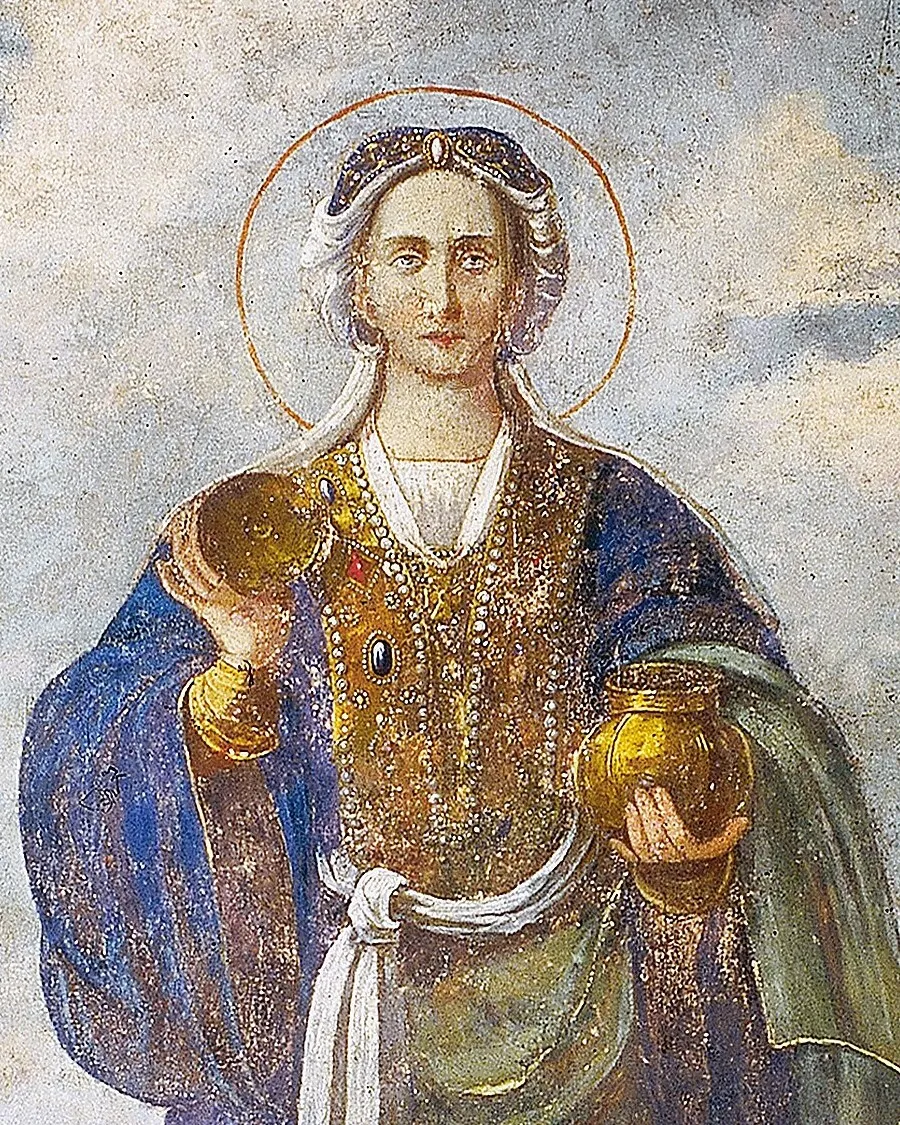
  • Saint Olha, an icon from c. 1700 (detail)

    c. 910–969

    Princess Olha

    First woman ruler of Kyivan Rus’

    The wife of Prince Ihor, who after his death in 944 ruled Rus’ in place of her young son Sviatoslav. She subdued the Derevlianians, reorganized tribute collection and became the first ruler of Rus’ to accept Christianity.

    Statesman

    NewRead
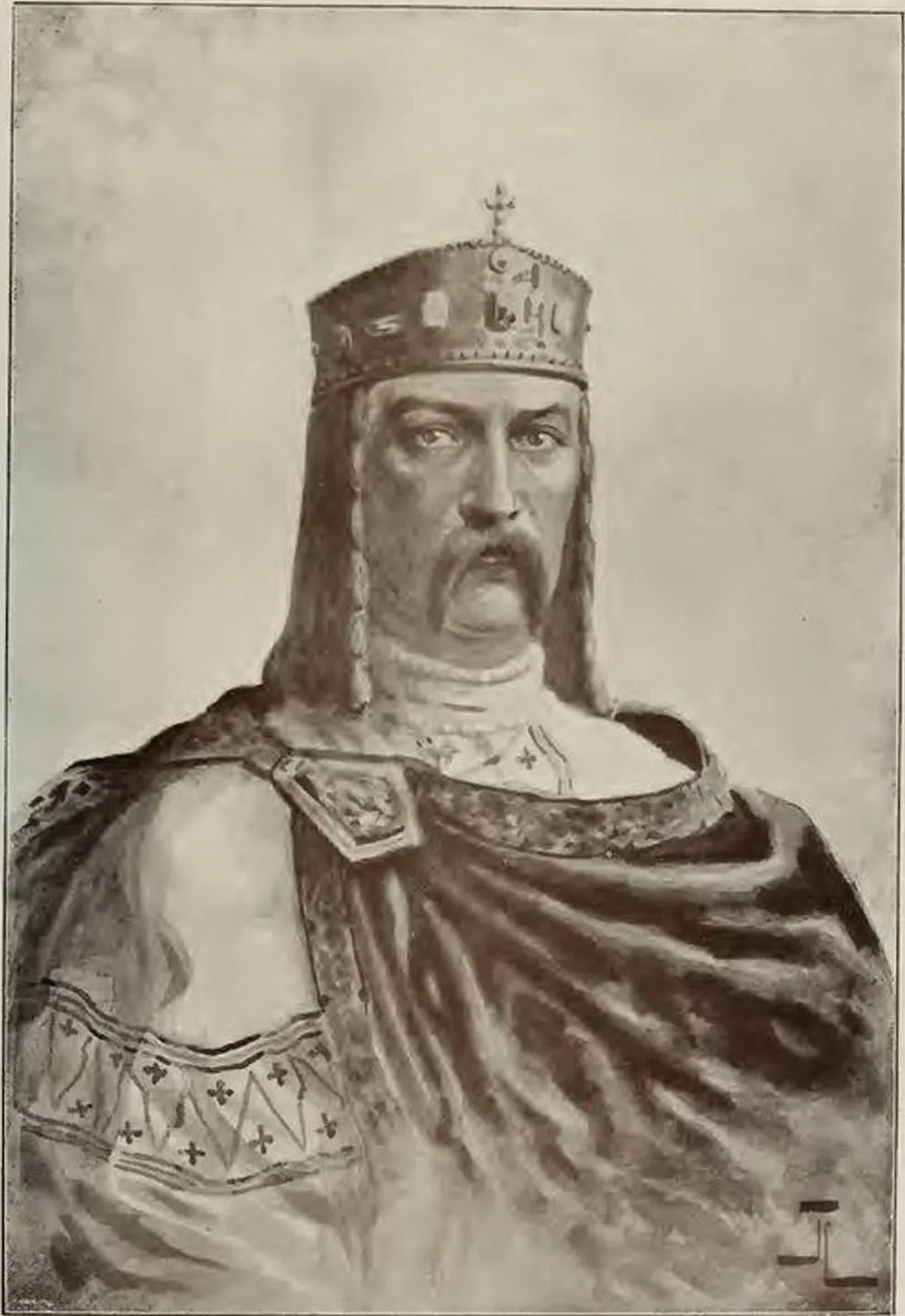
  • Imagined portrait of Prince Volodymyr the Great, an illustration from Mykola Arkas’s History of Ukraine-Rus’, 1912

    c. 958–1015

    Volodymyr the Great

    Baptizer of Rus’

    Grand Prince of Kyiv who united the lands of Rus’ and made Christianity the state religion (traditionally dated 988). Under his rule Kyivan Rus’ became one of the largest states in Europe.

    Statesman, Religious leader

    Read
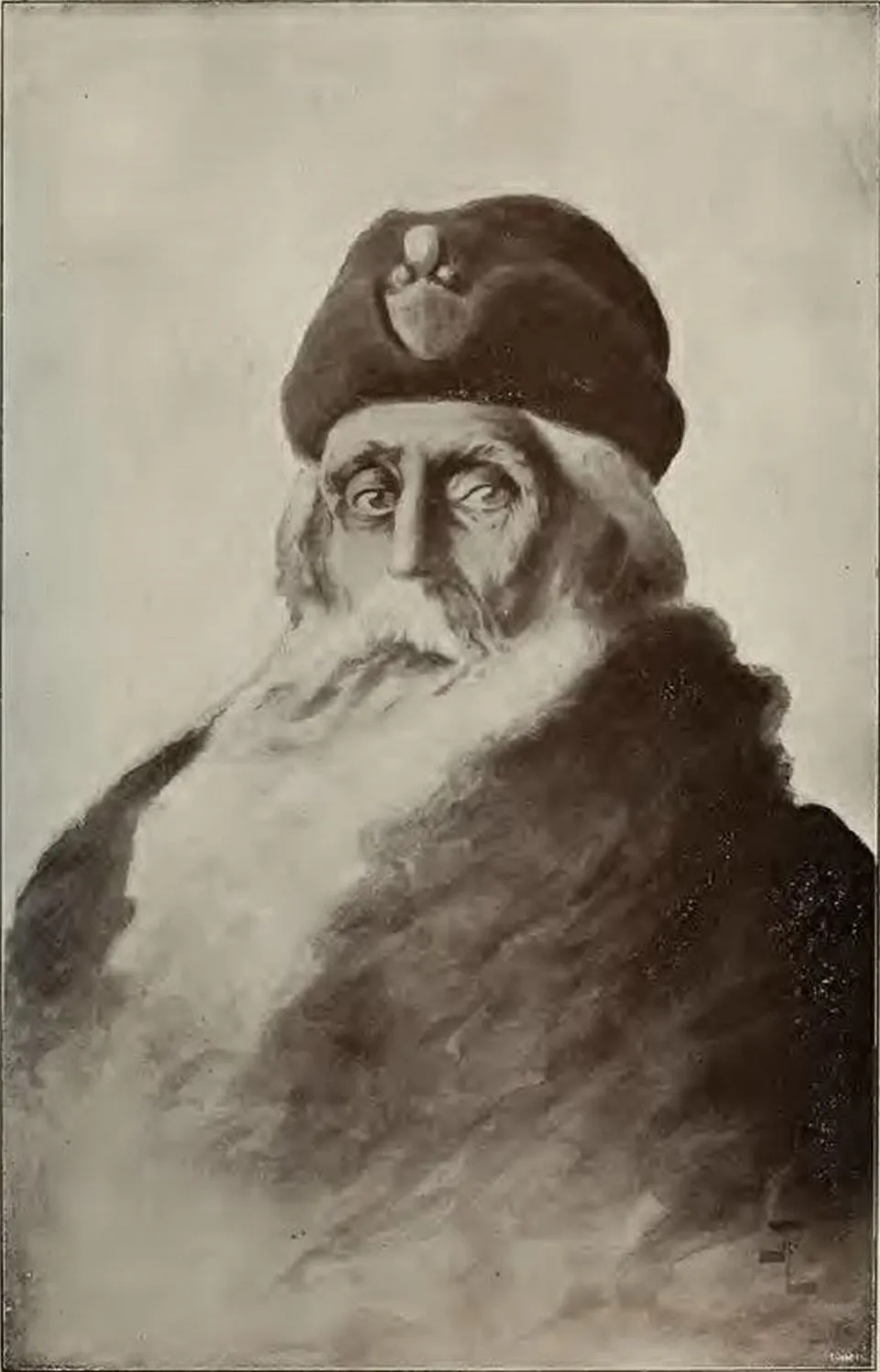
  • Imagined portrait of Prince Yaroslav the Wise, an illustration from Mykola Arkas’s History of Ukraine-Rus’, 1912

    c. 978–1054

    Yaroslav the Wise

    “Father-in-law of Europe”

    Grand Prince of Kyiv under whom Kyivan Rus’ reached its peak. He gave the state its first written law code, the Rus’ Justice, built Saint Sophia Cathedral in Kyiv and married his children into Europe’s royal houses.

    Statesman

    Read
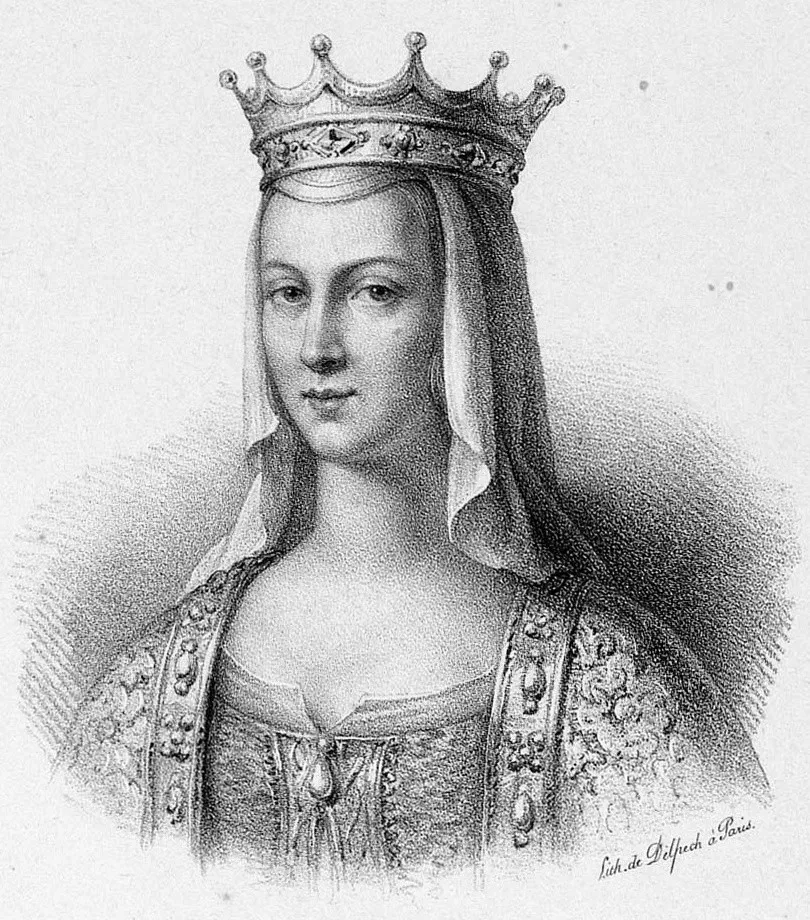
  • Imagined portrait of Anna Yaroslavna, Queen of France, lithograph by François-Séraphin Delpech, c. 1820–1840

    c. 1025–c. 1075

    Anna of Kyiv

    Kyivan princess, Queen of France

    A daughter of Prince Yaroslav the Wise of Kyiv who became Queen of France in 1051. The mother of King Philip I of France; today she is a symbol of the old ties between Rus’ and Europe.

    Statesman

    Read
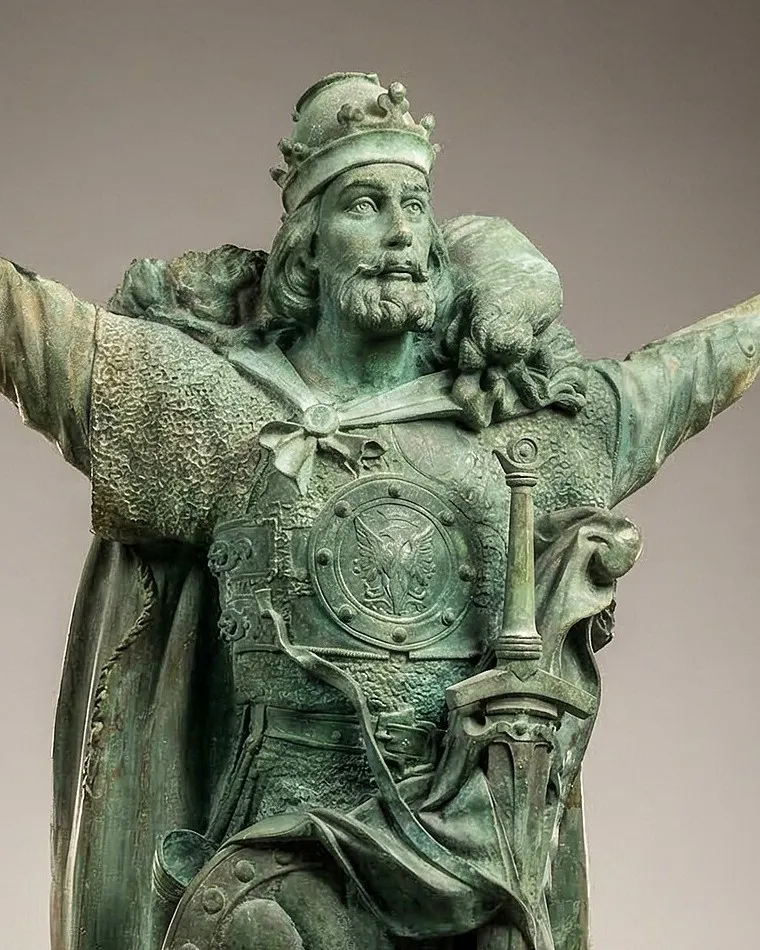
  • King Danylo of Halych, a bronze sculpture by Andrii Korvach, 2007 (detail)

    c. 1201–c. 1264

    Danylo of Halych

    First king of Rus’

    A prince who, after thirty years of struggle, reunited the Galician-Volhynian state. He defeated a coalition of rivals at Yaroslav (1245), sought Western allies against the Horde, and in 1253 accepted a royal crown from the pope.

    Statesman, Soldier

    NewRead
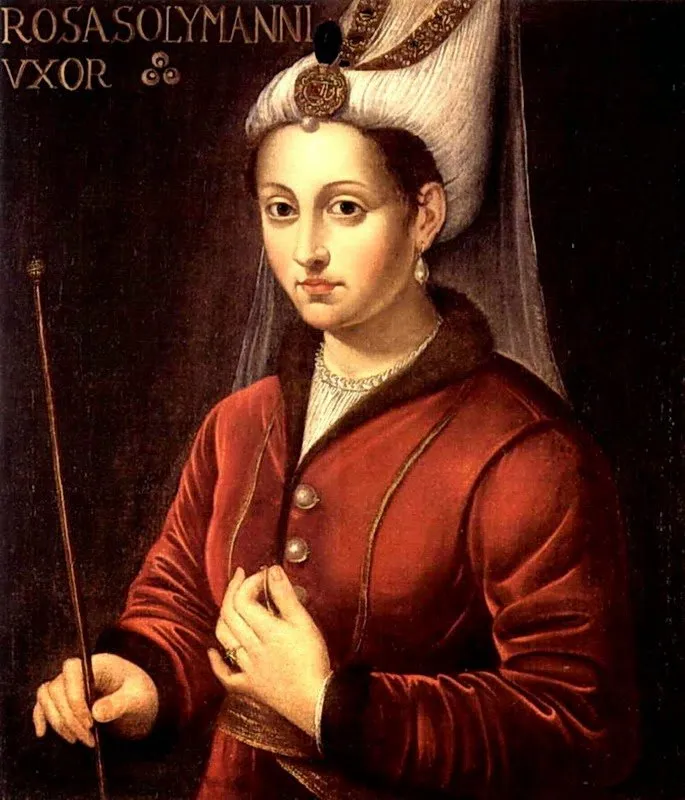
  • Imagined portrait of Roksolana by an unknown artist, 16th century

    c. 1505–1558

    Roksolana

    Wife of Sultan Suleiman I

    A woman of Ukrainian origin who rose from slavery to become the lawful wife of the Ottoman Sultan Suleiman I and the mother of Sultan Selim II. Less is known about her life than the legends tell.

    Statesman

    Read
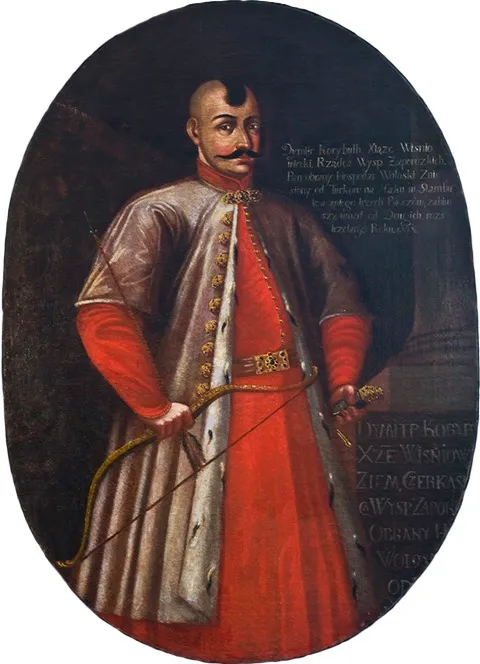
  • Portrait of Dmytro Vyshnevetskyi by an unknown 18th-century artist, National Museum of the History of Ukraine

    c. 1516–1563

    Dmytro Vyshnevetskyi (Baida)

    One of the first Cossack leaders

    A prince of the Volhynian Vyshnevetskyi family and starosta of Cherkasy and Kaniv, who rallied the Cossacks against the Tatars and built a castle on the island of Mala Khortytsia. He died in Turkish captivity; a folk song about the Cossack Baida made him immortal.

    Soldier

    NewRead
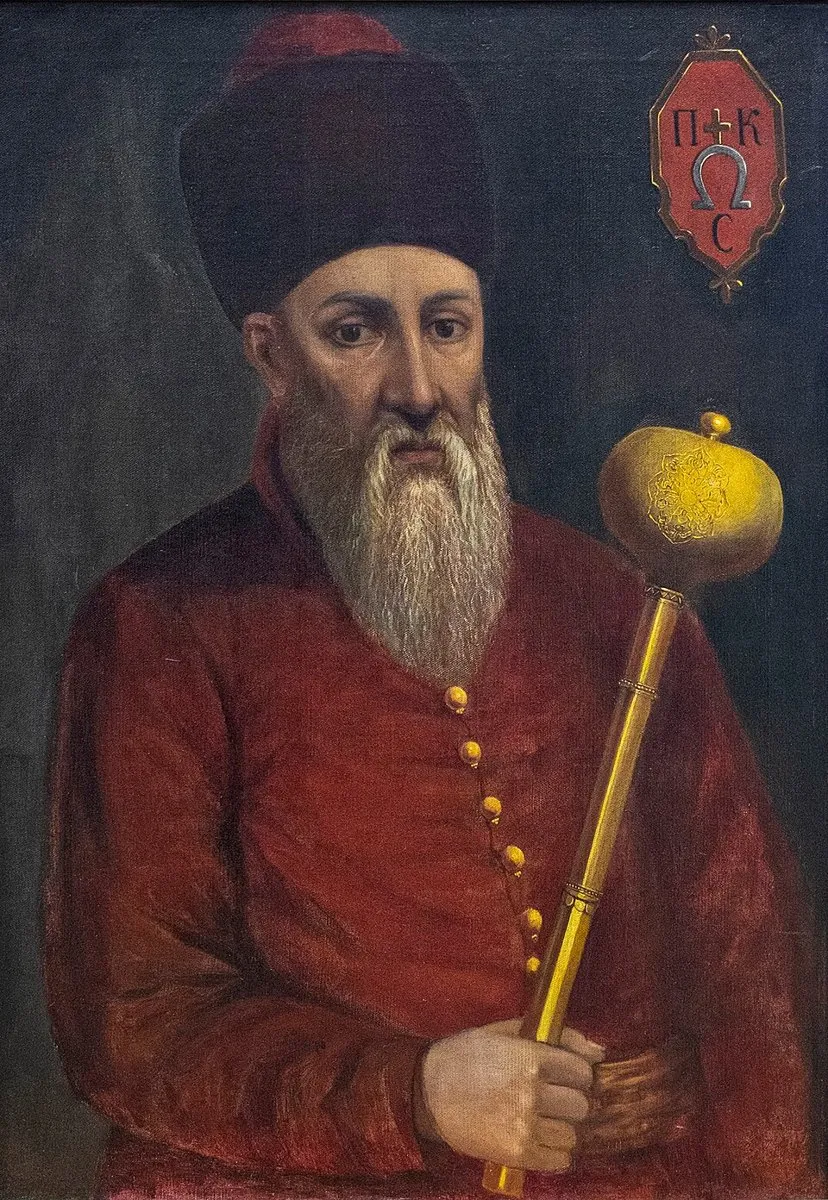
  • Portrait of Petro Konashevych-Sahaidachnyi by Havrylo Vasko, mid-19th century

    c. 1582–1622

    Petro Sahaidachnyi

    Hetman, victor at Khotyn

    Hetman of the Zaporozhian Host who turned the Cossacks into a disciplined army that stopped the Ottoman Empire at Khotyn. He also defended the Orthodox Church and supported education.

    Soldier, Statesman

    Read
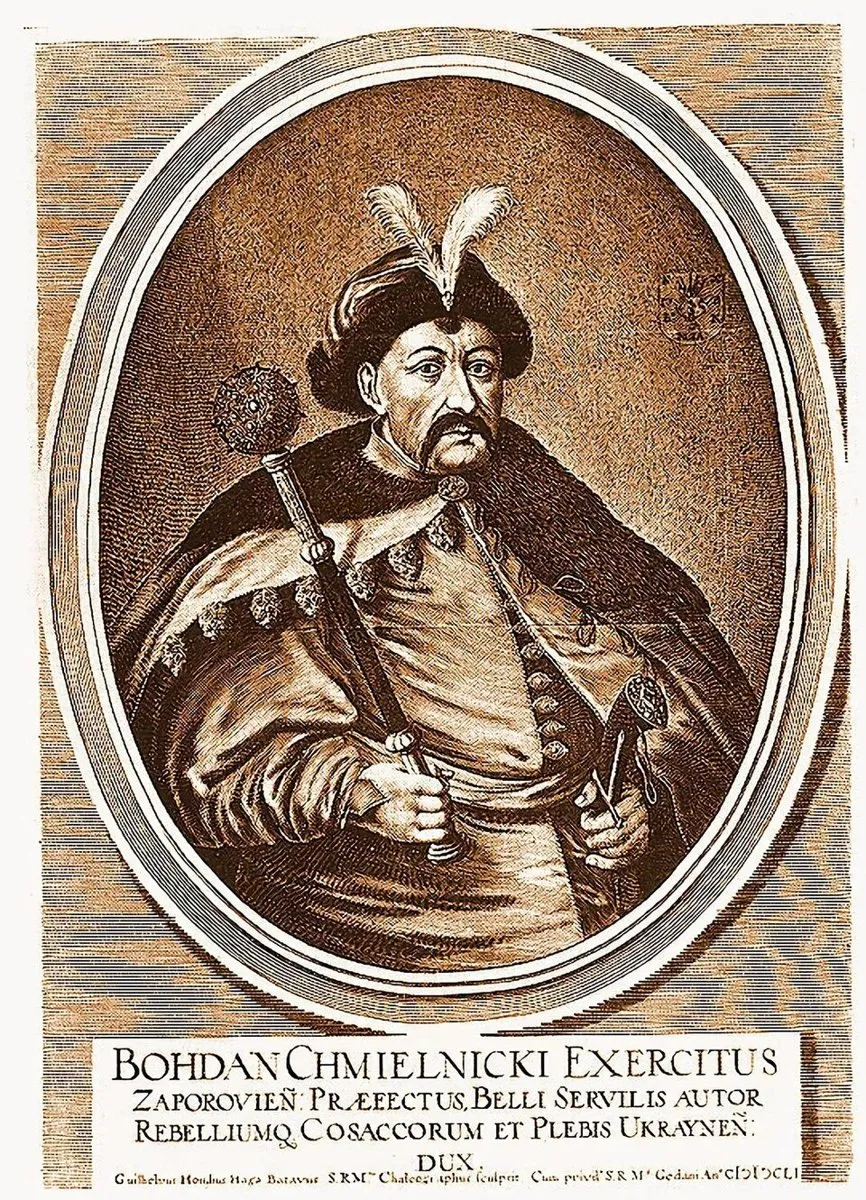
  • Engraving by Willem Hondius with a portrait of Bohdan Khmelnytskyi, 1651

    c. 1595–1657

    Bohdan Khmelnytskyi

    Hetman, founder of the Cossack state

    Hetman of the Zaporozhian Host who led the uprising of 1648 and created a Cossack state, the Hetmanate. A gifted commander and diplomat who negotiated with many states of Central and Eastern Europe and with the Ottoman Empire.

    Soldier, Statesman

    Read
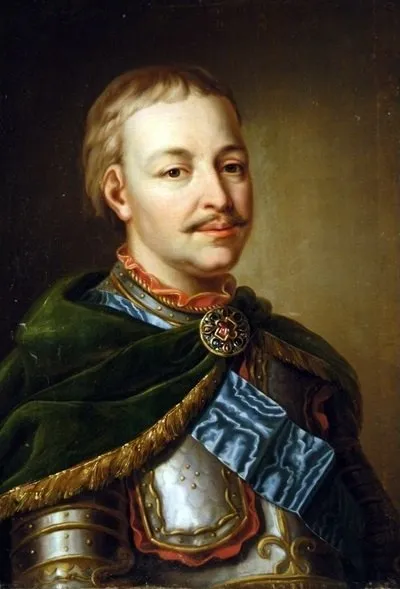
  • Portrait of Ivan Mazepa

    c. 1639–1709

    Ivan Mazepa

    Hetman and patron of Cossack Baroque

    Hetman who ruled the Hetmanate for over 20 years and tried to free Ukraine from Moscow’s control. A generous patron who funded the building and restoration of many churches in the Cossack Baroque style.

    Statesman, Soldier

    Read
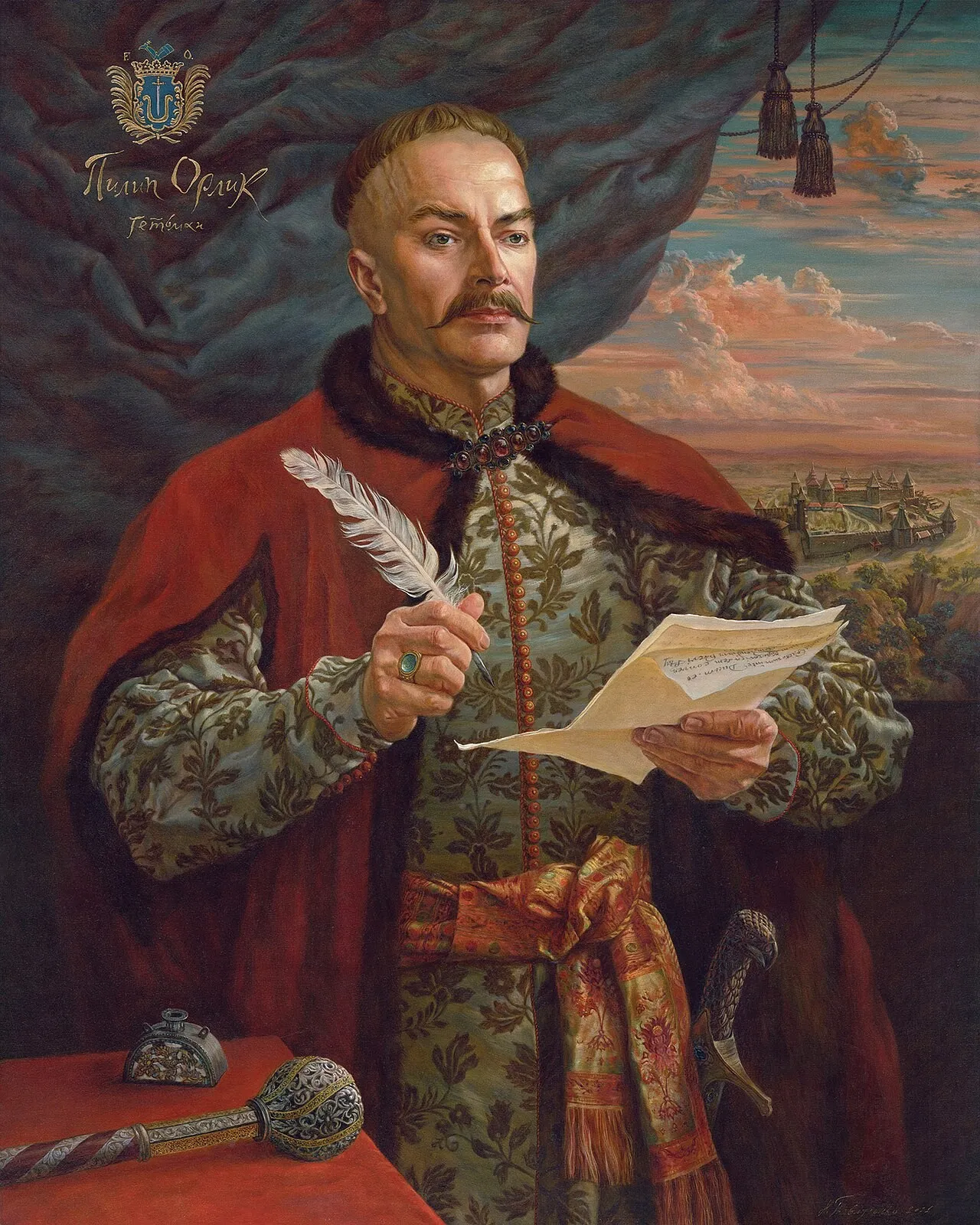
  • Pylyp Orlyk, a modern portrait by the artist Nataliia Pavlusenko, 2021

    1672–1742

    Pylyp Orlyk

    Hetman in exile, constitution author

    Mazepa’s general chancellor, elected hetman near Bender in 1710. Chief author of the Pacts and Constitutions, an agreement that limited the hetman’s power. He spent over 30 years in exile, seeking allies in Europe to free Ukraine.

    Statesman, Writer

    NewRead
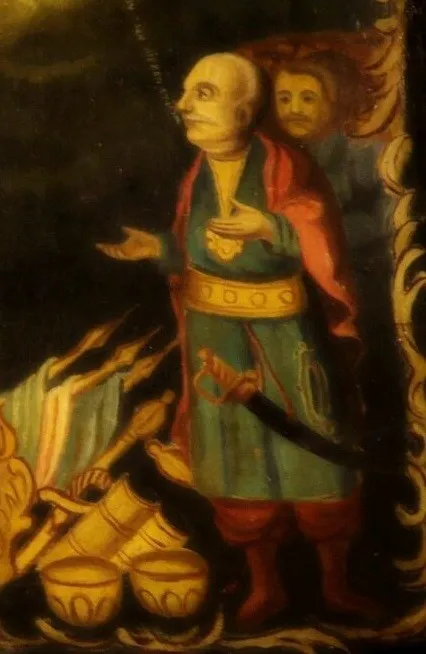
  • Petro Kalnyshevskyi, detail of an old icon by an unknown artist

    c. 1691–1803

    Petro Kalnyshevskyi

    Last otaman of the Zaporozhian Sich

    The last otaman of the Zaporozhian Sich (1762, 1765–1775): an administrator and diplomat who defended Zaporozhian lands before St. Petersburg. After the Sich was destroyed in 1775, Catherine II exiled him to the Solovetsky Islands, where he spent 25 years in captivity.

    Soldier, Statesman

    NewRead
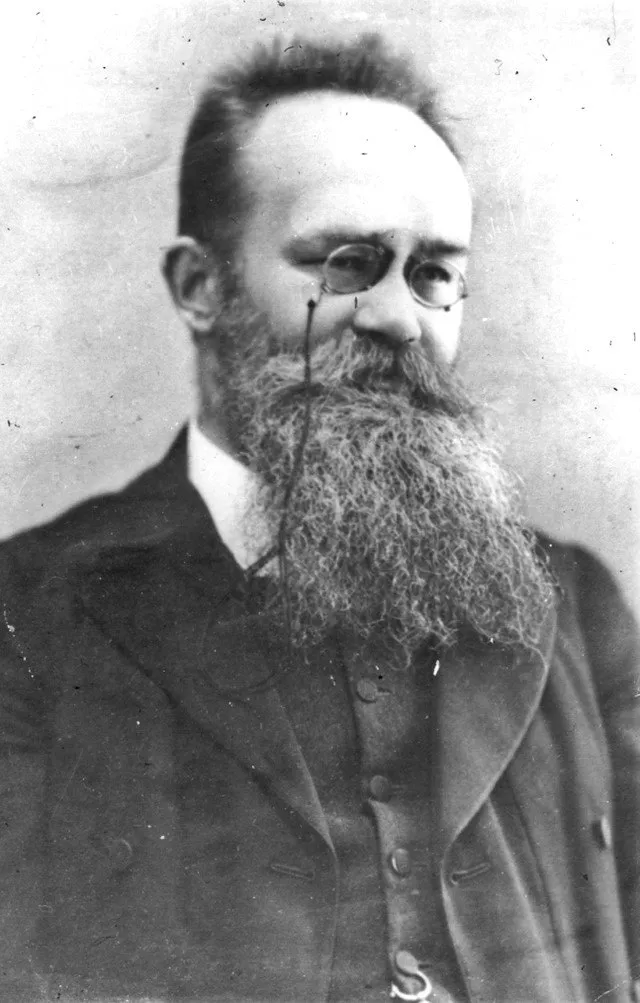
  • Photograph of Mykhailo Hrushevskyi

    1866–1934

    Mykhailo Hrushevskyi

    Historian, head of the Central Rada

    One of Ukraine’s greatest historians, author of the ten-volume History of Ukraine-Rus’, and head of the Ukrainian Central Rada (council), under which Ukraine declared independence in 1918.

    Statesman, Scientist, Writer

    Read
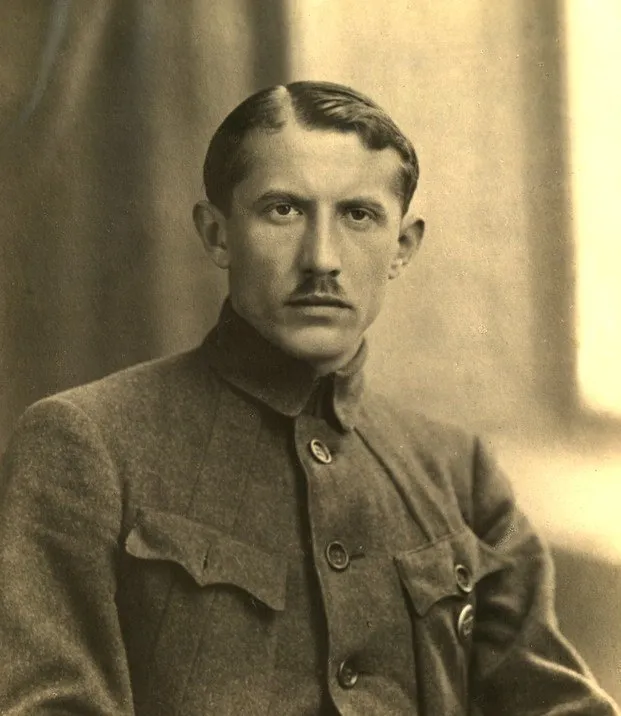
  • Photograph of Yevhen Konovalets

    1891–1938

    Yevhen Konovalets

    First leader of the OUN

    Colonel of the army of the Ukrainian People’s Republic and commander of the Sich Riflemen. After the defeat of the independence struggle he led the underground Ukrainian Military Organization, and in 1929 became the first leader of the Organization of Ukrainian Nationalists (OUN).

    Soldier, Statesman

    Read
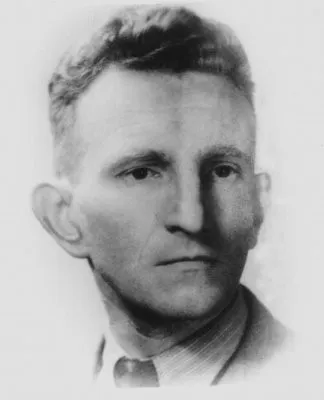
  • Roman Shukhevych, photograph, 1944

    1907–1950

    Roman Shukhevych

    Commander-in-chief of the UPA

    General and commander-in-chief of the Ukrainian Insurgent Army (UPA) from 1943. For almost six years he led the armed underground against Soviet rule, and he was killed in combat. He remains a contested figure.

    Soldier

    Read
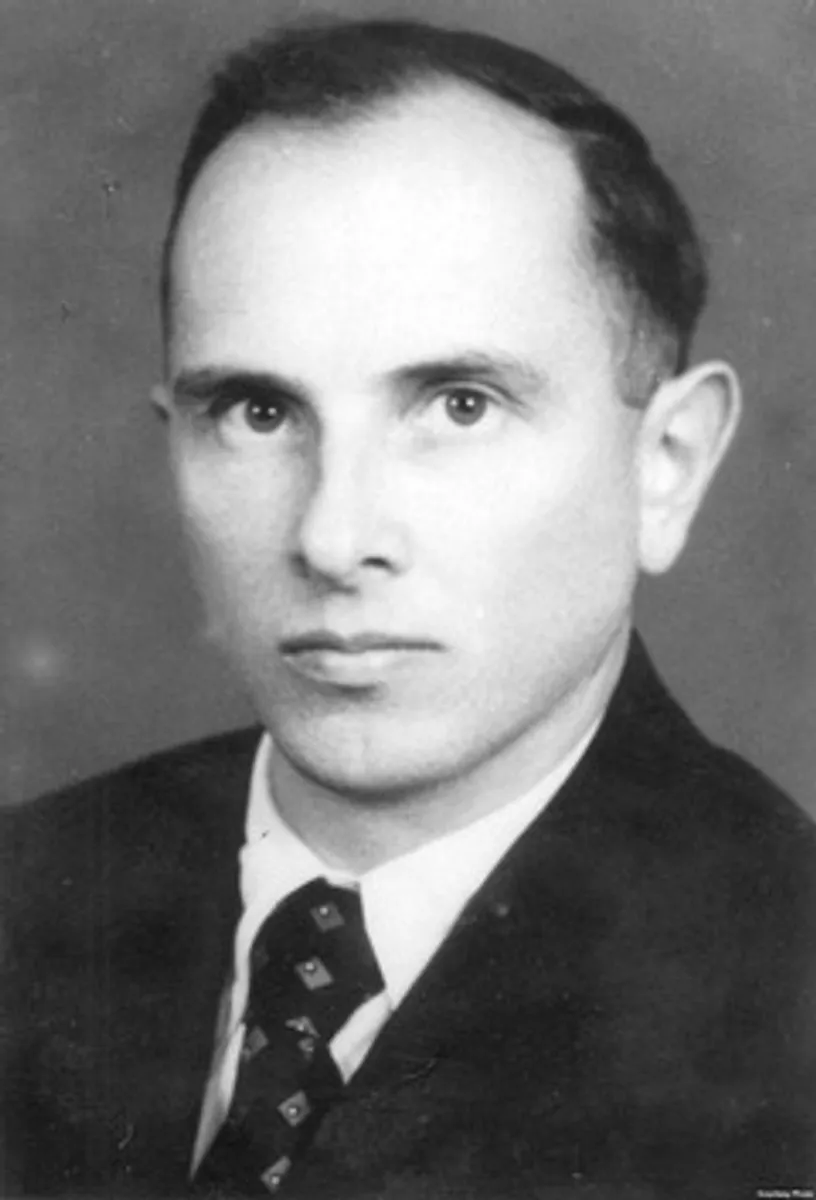
  • Photograph of Stepan Bandera

    1909–1959

    Stepan Bandera

    Leader of the OUN-B

    Leader of the OUN-B, whose followers proclaimed the Act of Restoration of the Ukrainian State in 1941. For many Ukrainians a symbol of the fight against the Nazi and Soviet regimes; at the same time one of the most contested figures in history.

    Statesman

    Read