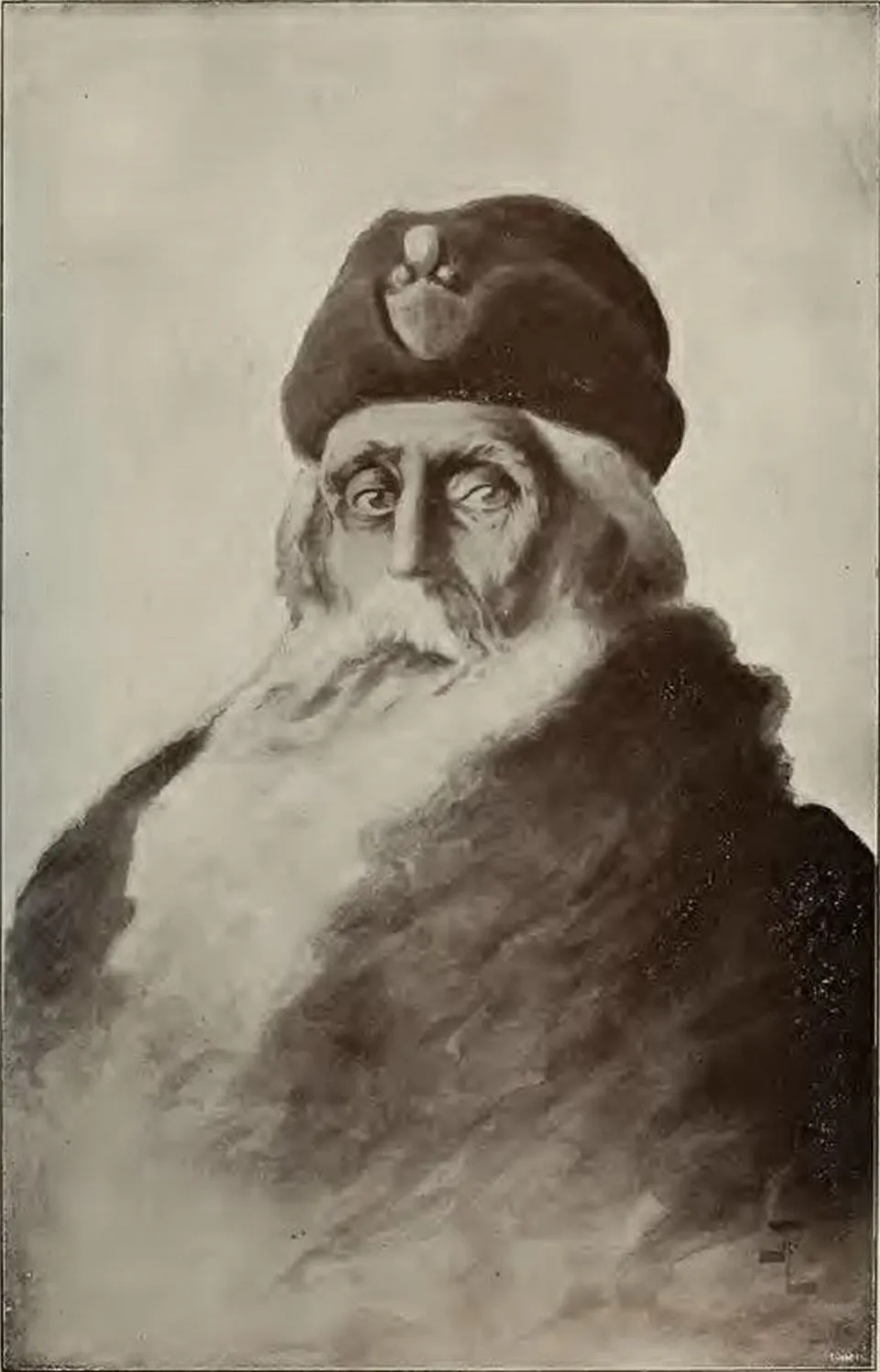
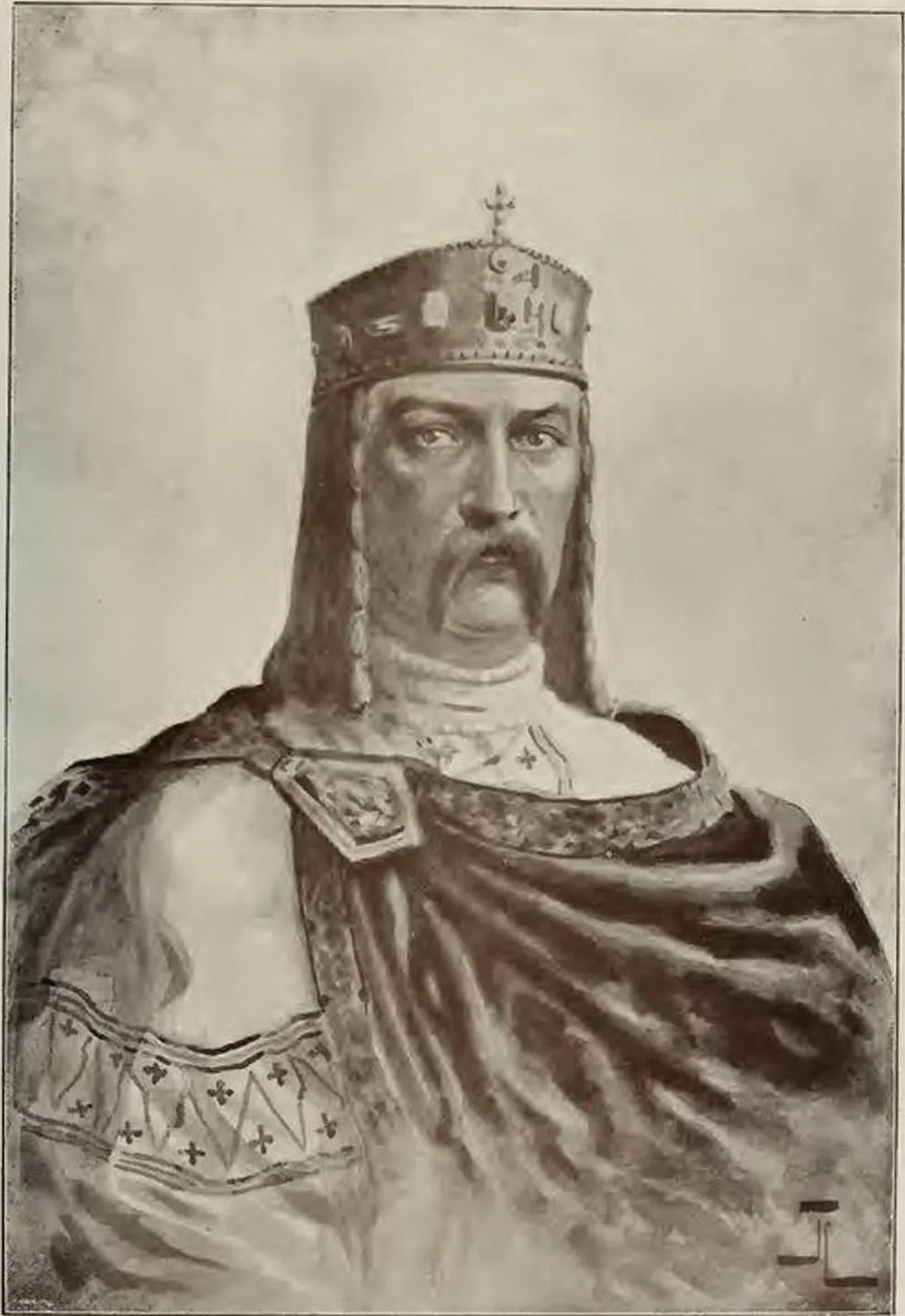
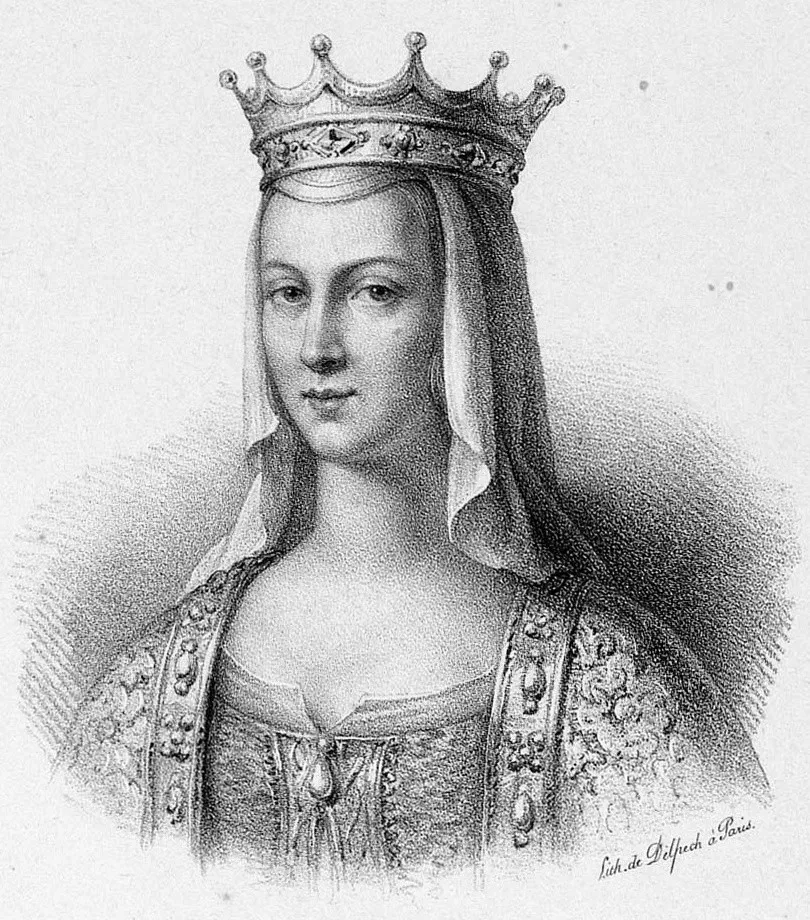
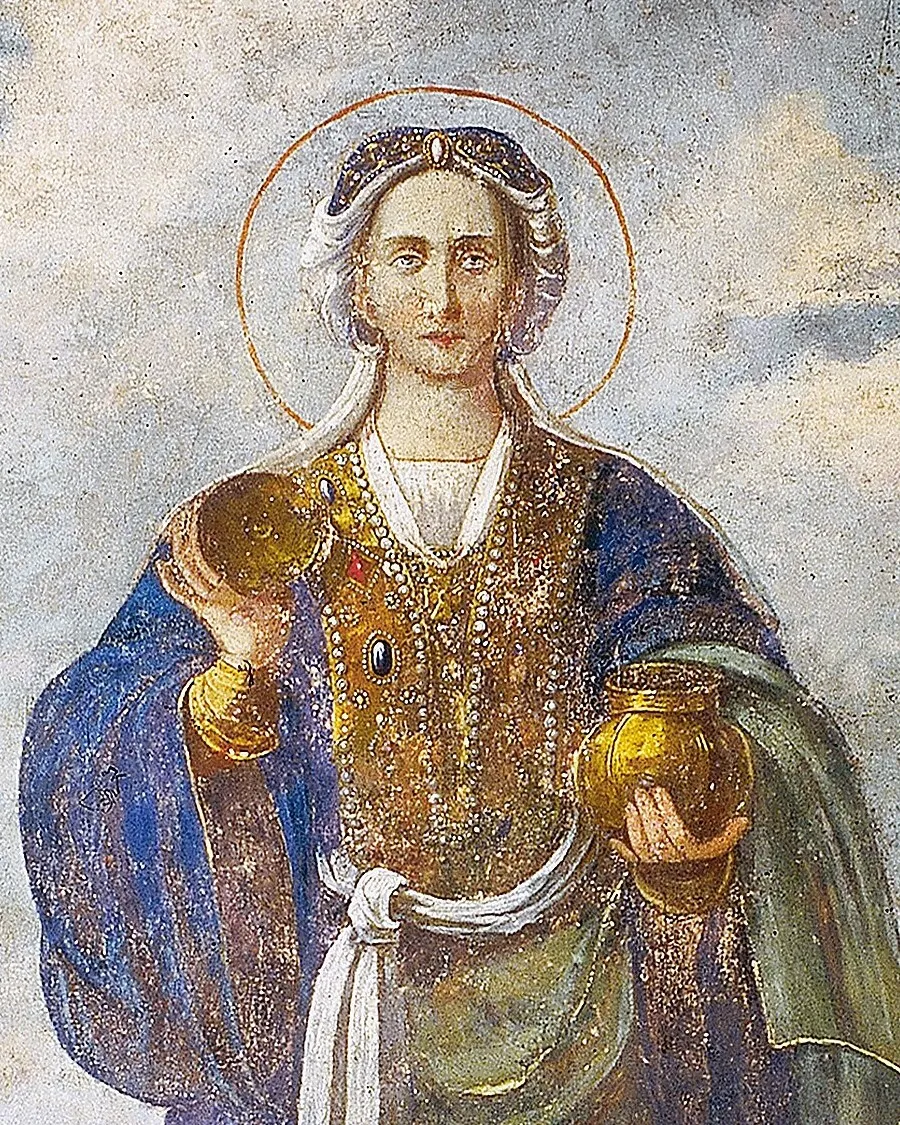
c. 1201–c. 1264
Danylo of Halych
First king of Rus’
A prince who, after thirty years of struggle, reunited the Galician-Volhynian state. He defeated a coalition of rivals at Yaroslav (1245), sought Western allies against the Horde, and in 1253 accepted a royal crown from the pope.
Key accomplishments
- Unified Volhynia (by 1229) and Galicia (1238), restoring his father’s Galician-Volhynian state
- Victory at the Battle of Yaroslav (1245) over a coalition of rivals, boyars and their Hungarian and Polish allies
- Accepted a royal crown from Pope Innocent IV in Dorohychyn (1253)
- Built new fortresses and towns, including Kholm (his new capital) and Kremenets
- Reformed the army, creating an infantry drawn from the peasantry
Who he was
Danylo was the elder son of Prince Roman Mstyslavych, who first united Galicia and Volhynia into one state. When his father was killed in 1205, Danylo was about four years old. Boyar revolts and interference by neighbors forced the young prince, his mother and his brother Vasylko to flee, first to the Hungarian court and later to small Volhynian appanages.
His story
Danylo began reclaiming his father’s inheritance in Volhynia: in 1215 he and his brother Vasylko took the throne of Volodymyr, and by the end of the 1220s he had unified the Volhynian lands. Halych, held by rivals and powerful boyars, he took and lost several times before establishing himself there in 1238 with the support of the townspeople. In 1240 his voivode Dmytro defended Kyiv, then under Danylo’s rule, against the Mongols, but the city fell. The Mongol invasion destroyed Kyiv, Volodymyr and Halych. Even so, in the summer of 1245 at the Battle of Yaroslav Danylo defeated a coalition of the Chernihiv prince Rostyslav, rebellious boyars and their Hungarian and Polish allies, and secured Galicia for good.
To save his state, in 1246 Danylo traveled to the Horde and acknowledged the khan’s overlordship. At the same time he prepared to resist: he built new fortresses, among them Kholm, where he moved his capital, and Kremenets, reformed the army by creating an infantry drawn from the peasantry, and looked for allies in the West. To win the support of Pope Innocent IV, in 1253 he accepted a royal crown in Dorohychyn and became the first king of Rus’. The promised crusade against the Horde never happened. In 1260 the Mongol commander Burundai forced Danylo to tear down the fortifications of many towns. Danylo died in 1264 in Kholm and was buried there in the Cathedral of the Holy Mother of God.
Why it matters today
Danylo of Halych preserved the statehood of Rus’ in the west after the fall of Kyiv: his kingdom lasted almost another century and kept its ties with Europe. The royal crown of 1253 became a symbol of Ukraine’s European choice for Ukrainians, and Lviv, founded in his time, became one of Ukraine’s main cities.