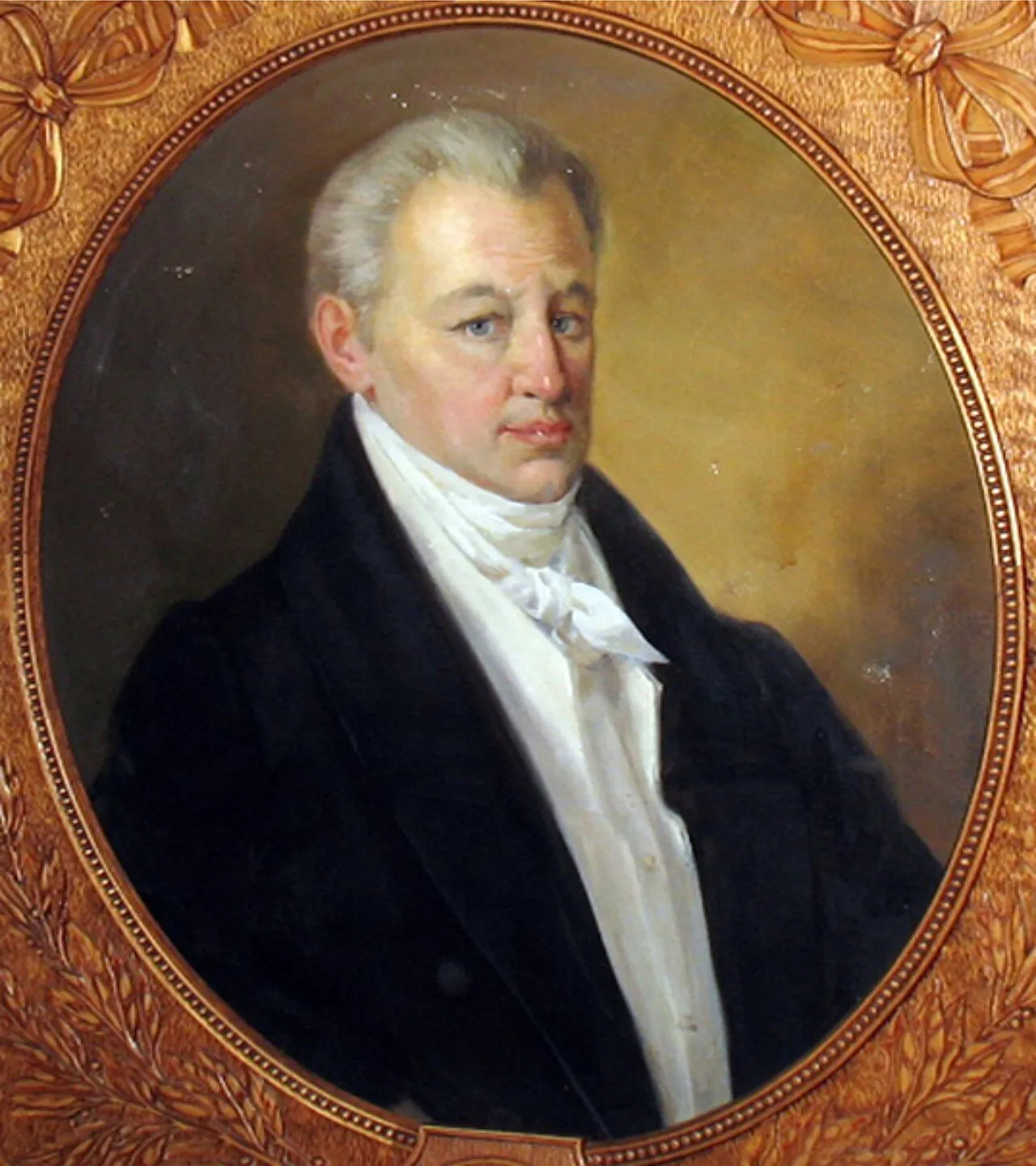
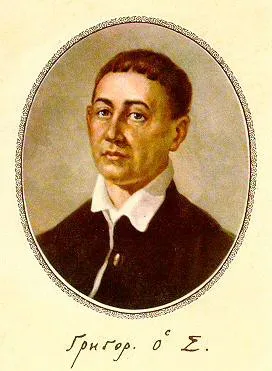
1938–1985
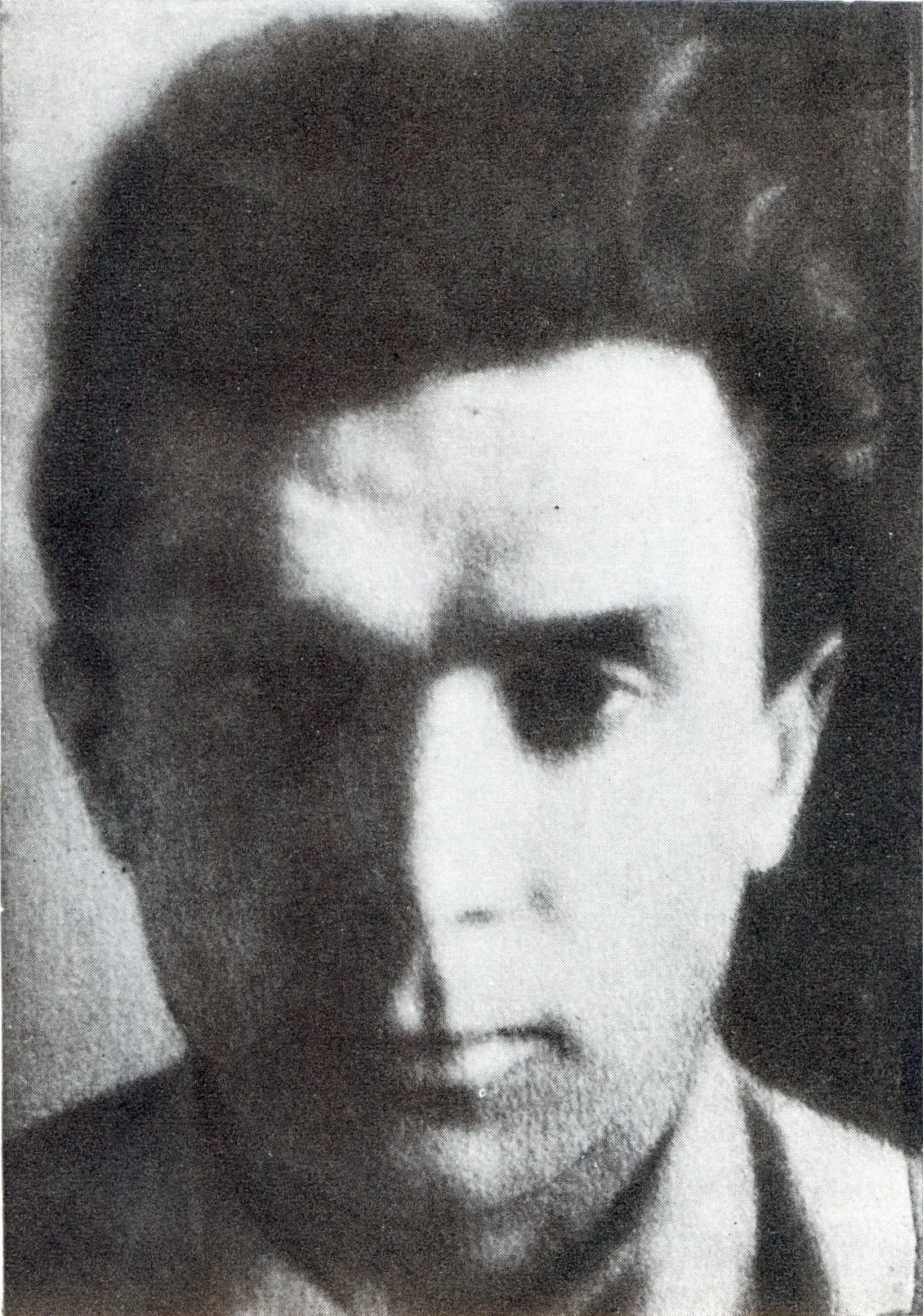
Vasyl Stus
Poet and human rights defender
Poet of the Sixtiers generation and human rights defender, a member of the Ukrainian Helsinki Group. He died in a Soviet labor camp, leaving Palimpsests, one of the landmark collections of modern Ukrainian poetry.
Key accomplishments
- The collections Winter Trees, A Candle in a Candle-Mirror and Palimpsests
- Public protest against the arrests of Ukrainian intellectuals (1965)
- Member of the Ukrainian Helsinki Group
- Posthumously awarded the title Hero of Ukraine (2005)
Who he was
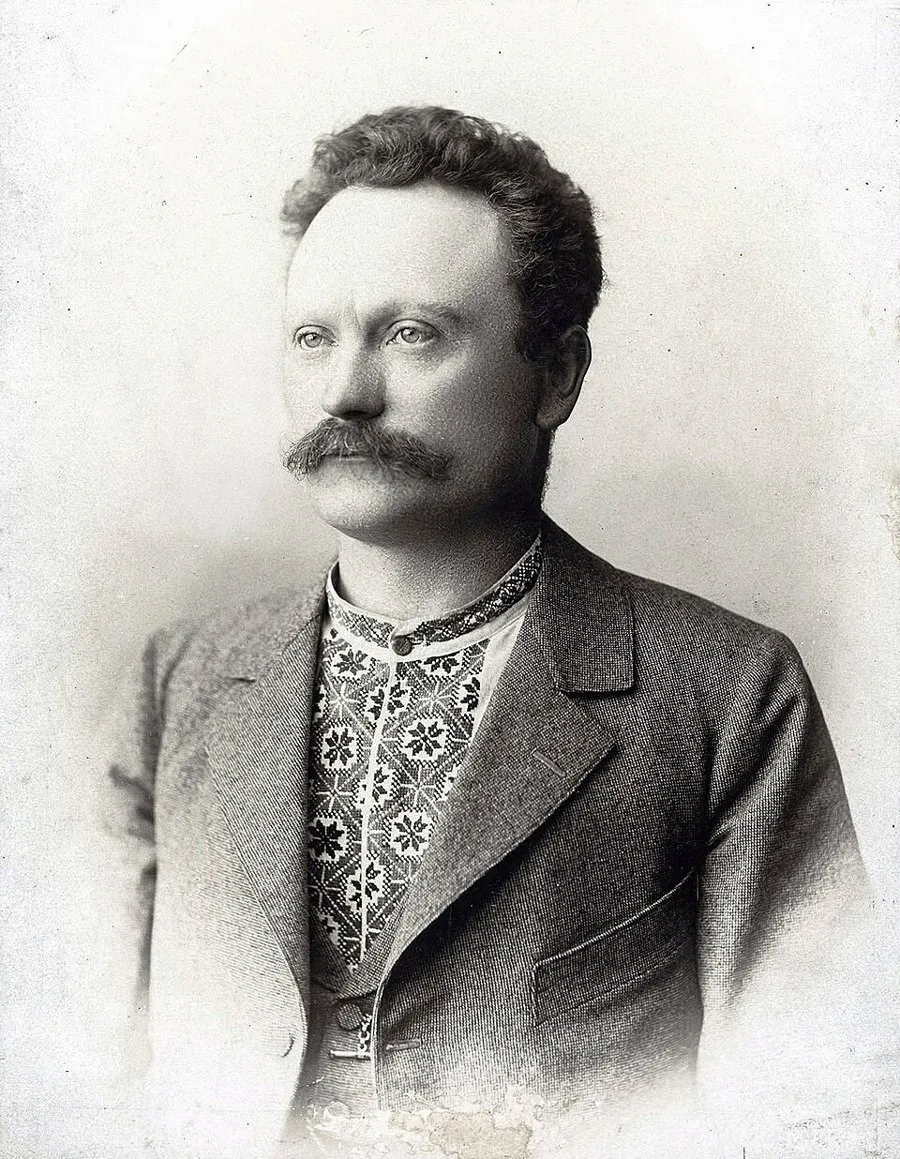
Vasyl Stus was born in the Vinnytsia region and spent his childhood and youth in the Donetsk region. He studied at the pedagogical institute in Donetsk, and later did postgraduate studies at the Institute of Literature in Kyiv. In 1965, at the premiere of the film Shadows of Forgotten Ancestors, he supported Ivan Dziuba’s public protest against the arrests of Ukrainian intellectuals. For this he was expelled from his postgraduate program.
His story
In 1972 Stus was arrested for “anti-Soviet agitation” and sentenced to labor camps and exile. After returning to Kyiv in 1979 he joined the Ukrainian Helsinki Group, and as early as 1980 he received a new sentence: 10 years in camps and 5 years of exile. Even in prison he wrote poems and translated Rilke and Goethe. His collection Palimpsests was written mostly in captivity.
Stus died on the night of 3–4 September 1985 in a punishment cell of the special-regime camp Perm-36 in the village of Kuchino. That same year an international committee of scholars and writers called for him to be awarded the Nobel Prize in Literature. In 1989 the poet’s remains were reburied at Baikove Cemetery in Kyiv.
Why it matters today
Stus became a symbol of dignity and an unbreakable spirit in the face of the system. His poetry is one of the peaks of modern Ukrainian literature, and generations know his words “My people, I will yet return to you” (“Народе мій, до тебе я ще верну”).