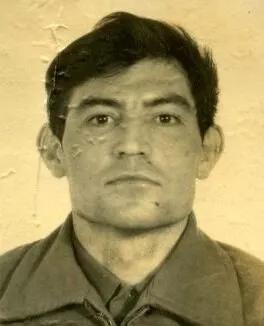
1722–1794
Hryhorii Skovoroda
The wandering philosopher
One of the most important Ukrainian philosophers of the 18th century, a poet and teacher. He taught that happiness lies in knowing yourself and in “kindred work” - the work you are naturally called to do.
Key accomplishments
- The idea of “kindred work” and self-knowledge as the path to happiness
- Poetry collection The Garden of Divine Songs
- Kharkiv Fables and philosophical dialogues
Who he was
Hryhorii Skovoroda was born into a Cossack family in the village of Chornukhy in the Poltava region. He studied at the Kyiv-Mohyla Academy, sang in the court choir in Saint Petersburg, and in 1745–1750 was part of the Russian mission in Tokaj (Hungary). He taught poetics in Pereiaslav, and poetics, Greek and ethics at the Kharkiv Collegium, but his independent views brought him into conflict with the church authorities.
Skovoroda spent the last quarter-century of his life as a wandering philosopher: he walked across Sloboda Ukraine (Slobozhanshchyna), stayed with friends, wrote and taught, without property or official posts.
His story
Skovoroda believed that a person’s happiness lies in knowing oneself and in “kindred work”: the work to which one has a natural calling. He urged people not to chase wealth and fame, but to live simply, honestly and in harmony with nature. He set out his ideas in dialogues, parables, fables and poems.
Why it matters today
The idea of “kindred work” - finding work that suits your soul - is relevant to everyone who is choosing a profession. Skovoroda’s portrait is on the 500 hryvnia banknote. In 2022 a Russian missile destroyed his museum in Skovorodynivka in the Kharkiv region, but the statue of the philosopher survived.