1871–1913
Lesya Ukrainka
Poet and playwright
Poet, playwright and public figure, author of The Forest Song. Despite a serious illness she wrote dramas of world standing and became, for many, a symbol of strength of spirit.
Key accomplishments
- The fairy-tale drama The Forest Song (1911)
- The dramas The Stone Host, The Noblewoman, Cassandra and The Possessed
- Poetry collections On the Wings of Songs, Thoughts and Dreams and Echoes
- Translations from many European languages; recordings of Volhynian folklore
Who she was
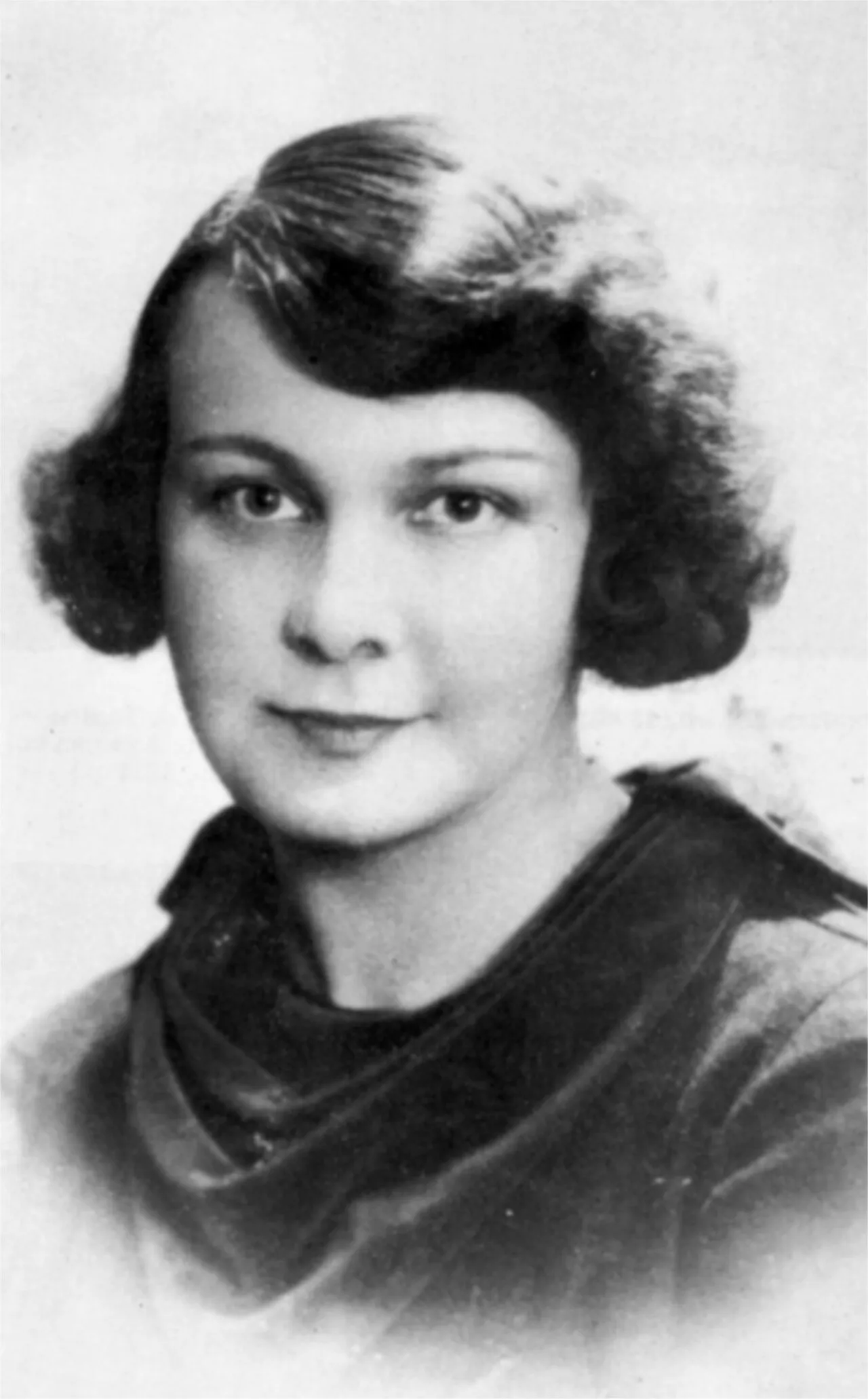
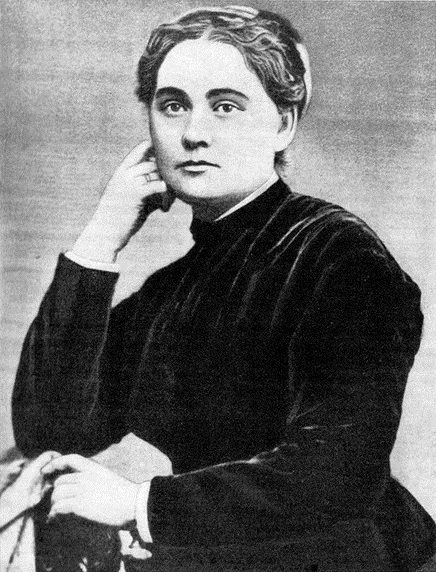
Larysa Kosach was born in Novohrad-Volynskyi (now Zviahel) into an educated family: her mother was the writer Olena Pchilka, and her uncle was the scholar and public figure Mykhailo Drahomanov. She wrote her first poem when she was only nine. As a child she fell ill with tuberculosis and fought the disease all her life, seeking treatment in Crimea, Egypt, Italy and Georgia.
She published her first poem, “Lily of the Valley”, at the age of 13 in the Lviv magazine Zoria, under a pen name chosen for her by her mother.
Her story
Lesya Ukrainka knew many European languages and wrote on themes that stirred all of Europe: freedom, dignity, and the choice between submission and struggle. The Forest Song, inspired by the legends of Volhynia, is one of the best-known Ukrainian dramas. Her poetry, in particular “Contra spem spero!” (“Hope against hope!”), became a symbol of resilience for many. In 1908 she paid with her own money for a phonograph expedition to record Ukrainian dumy (sung epic poems).
Her husband was the musicologist Klyment Kvitka. She died in the small Georgian town of Surami at the age of 42 and is buried at Baikove Cemetery in Kyiv.
Why it matters today
Lesya Ukrainka showed that strength of spirit can be greater than physical weakness. Scholars believe she raised Ukrainian drama to a European level. Her portrait appears on the 200-hryvnia banknote.