1842–1912
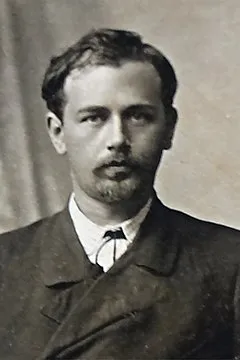
Mykola Lysenko
Father of Ukrainian classical music
Composer, ethnographer and conductor, founder of Ukrainian classical music. Author of the operas Natalka Poltavka and Taras Bulba and of “Prayer for Ukraine”, which became the country’s spiritual anthem.
Key accomplishments
- The operas Natalka Poltavka, Taras Bulba and Aeneid, and the children’s operas Koza-Dereza and Winter and Spring
- The cycle Music to Kobzar: over 80 vocal works to Shevchenko’s poems
- The choral work “Prayer for Ukraine” (“Great God, the One”, 1885)
- Founded a school of music and drama in Kyiv (1904)
Who he was
Mykola Lysenko was born into a noble family in the village of Hrynky in the Poltava region. He studied at the universities of Kharkiv and Kyiv (graduating from the Faculty of Natural Sciences in 1865), received his musical education at the Leipzig Conservatory, and later continued his training in Saint Petersburg under Nikolai Rimsky-Korsakov. All his life he collected and wrote down Ukrainian folk songs and published them in collections.
His story
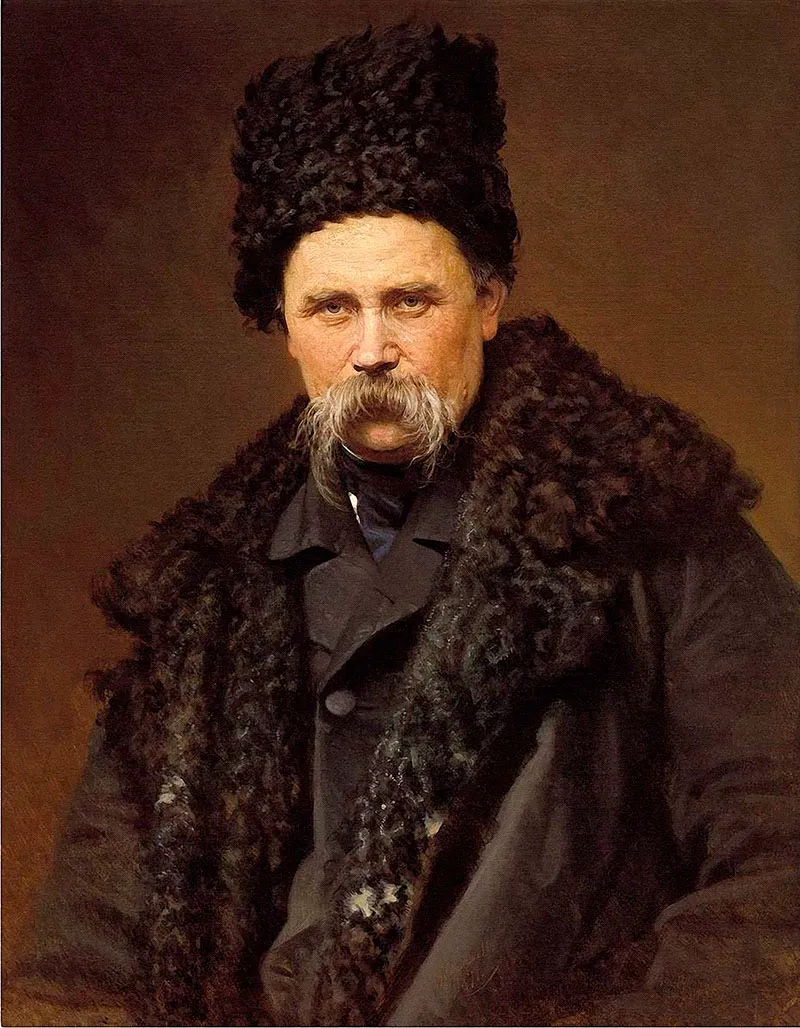
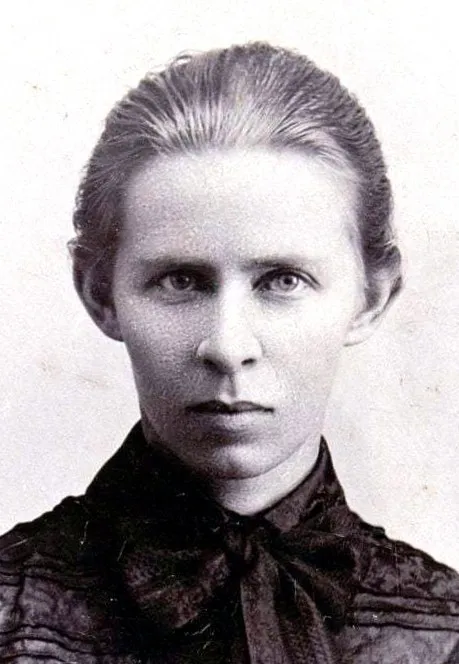
Lysenko laid the foundations of professional Ukrainian music: operas, choral works, art songs and piano music. He deliberately wrote on Ukrainian subjects and to Ukrainian texts, by Shevchenko, Kotliarevskyi, Gogol and Lesya Ukrainka. His “Prayer for Ukraine” is today Ukraine’s spiritual anthem.
According to tradition, when Lysenko was offered a staging of Taras Bulba in Moscow on condition that the libretto be translated into Russian, he refused. During the composer’s lifetime only fragments of the opera were staged; the full opera was first staged in Kharkiv in 1924.
In 1904 Lysenko founded a school of music and drama in Kyiv, which became the basis for present-day music schools and colleges.
Why it matters today
Lysenko proved that Ukrainian music could be classical and world-class. The Lviv National Music Academy and the Kharkiv National Academic Opera and Ballet Theatre bear his name.