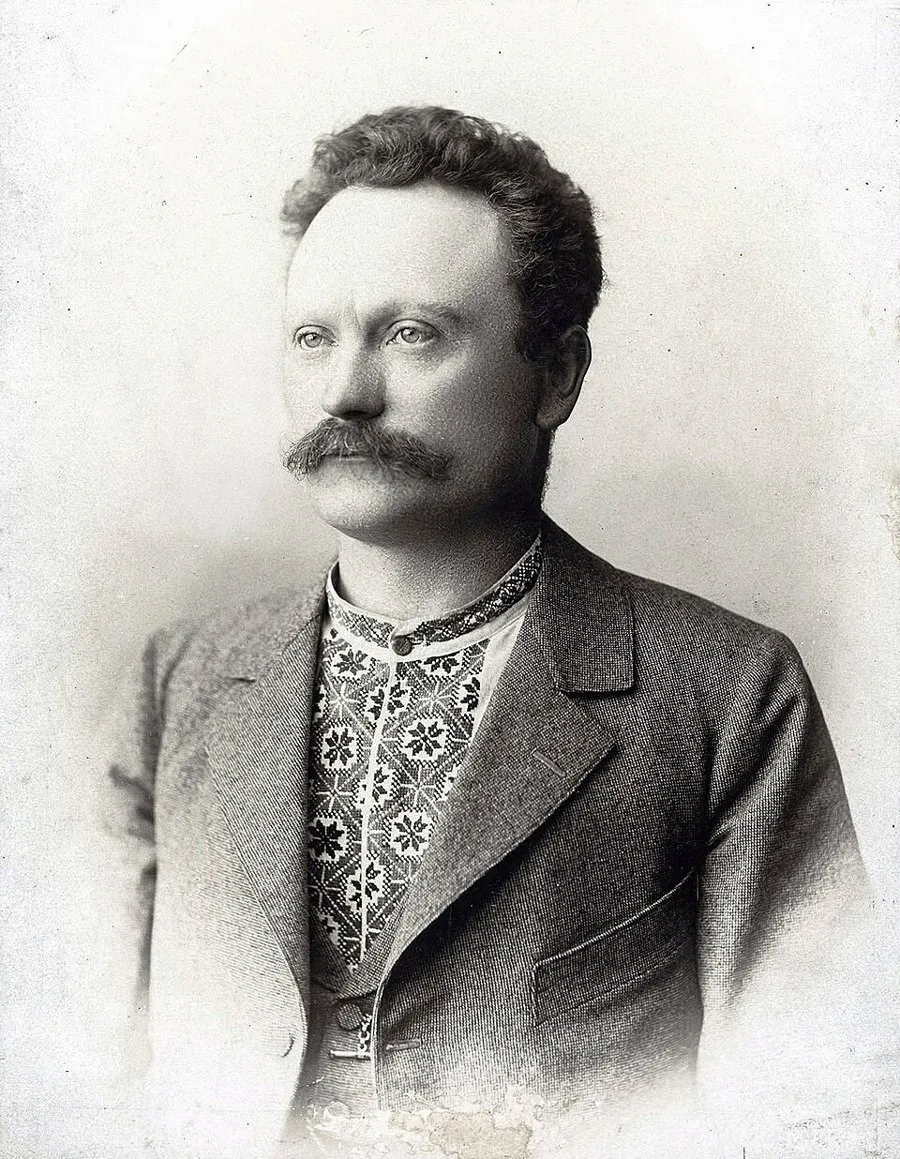
1865–1944
Andrei Sheptytskyi
Metropolitan of the UGCC
Head of the Ukrainian Greek Catholic Church for 43 years, patron of culture and protector of the persecuted. During the Nazi occupation he sheltered Jews and condemned the killings in his pastoral letter “Thou Shalt Not Kill”.
Key accomplishments
- Metropolitan of Halych and head of the Ukrainian Greek Catholic Church (1901–1944)
- Founded the National Museum in Lviv, schools, a hospital and other institutions
- Pastoral letter “Thou Shalt Not Kill” (1942)
- Sheltered Jews in Greek Catholic monasteries during the Holocaust
Who he was
Roman Sheptytskyi was born in the village of Prylbychi in the Lviv region into an aristocratic family of an old Ukrainian lineage that had become Polonized over time. After a short period of service in the Austrian army, which he left because of illness, Roman became a Basilian monk with the name Andrei. In 1901 he became Metropolitan of Halych, head of the Ukrainian Greek Catholic Church.
His story
Sheptytskyi led the church for more than four decades: under Austria-Hungary, under Poland, and under Soviet and Nazi occupation. He built up education, science and culture. He founded the National Museum in Lviv and supported schools, a hospital, publishing houses and young artists. In 1914 the Russian authorities arrested him and held him in captivity until 1917.
During the Nazi occupation Sheptytskyi issued the pastoral letter “Thou Shalt Not Kill” (1942), in which he condemned the killings. In February 1942 he wrote a letter to Himmler protesting against the killing of Jews. Together with his brother Klymentii, he organized the hiding of Jews, mostly children, in the church’s monasteries. More than 150 people were saved (up to 200, according to various estimates).
Debates and assessments
Historians debate the Metropolitan’s attitude toward the German authorities. In 1941 he welcomed the German army and the proclamation of the Act of Restoration of the Ukrainian State, and he later supported the appointment of chaplains to the Galicia Division. It is precisely this early support, and his encouragement of auxiliary formations, that are cited as the reason why Israel’s Yad Vashem memorial, despite the testimony of those he saved, has still not recognized him as Righteous Among the Nations. His brother Klymentii has been given this title. In 2015 Pope Francis declared him Venerable, a step toward beatification.
Why it matters today
Sheptytskyi showed how a church can be a pillar of support for its people, for education and for humanity in the darkest times.