1980–2022
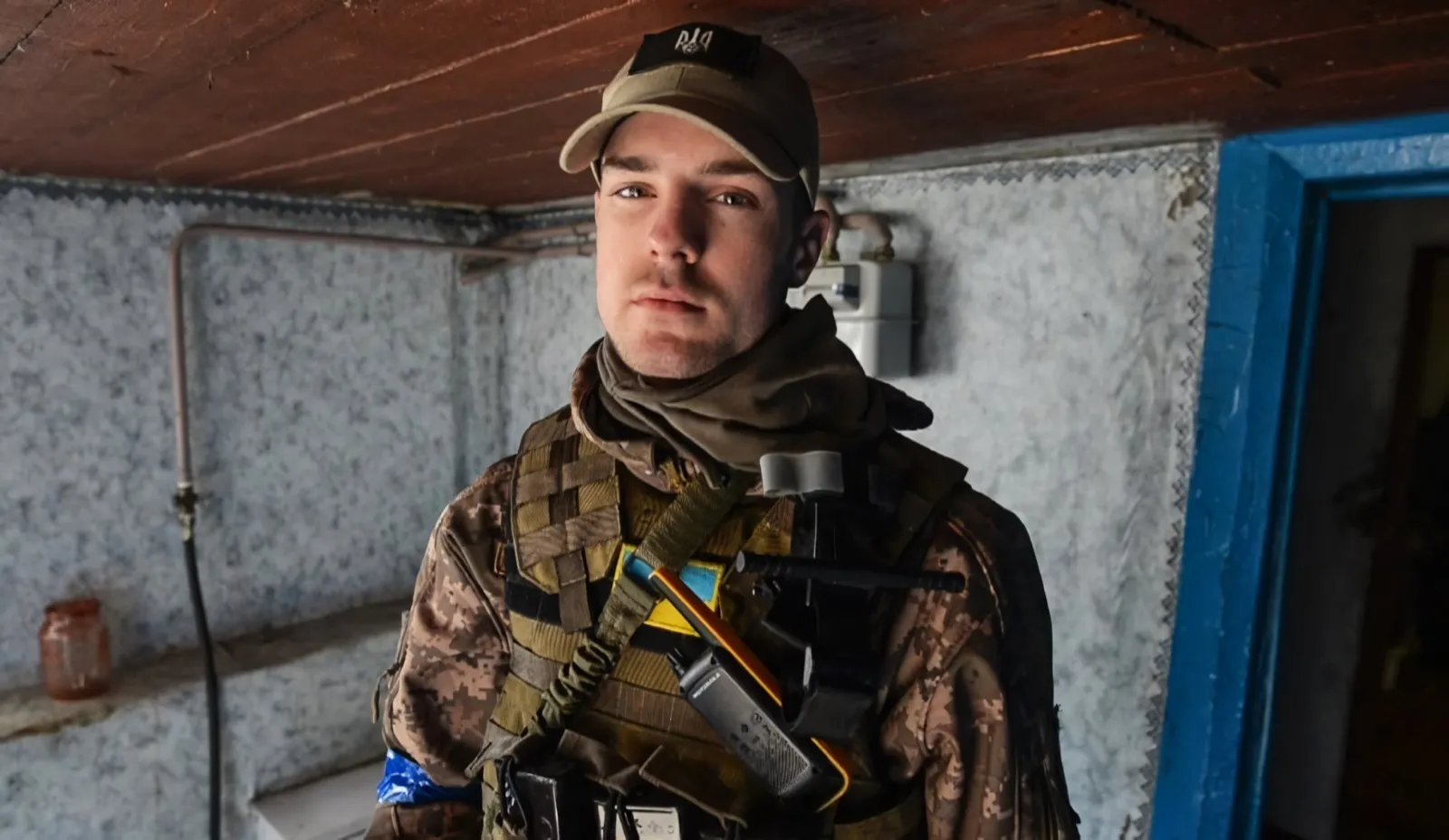
Oleksandr Matsiievskyi
Territorial defense sniper, Hero
An electrician from Nizhyn who volunteered for the Territorial Defense in March 2022 and fought as a sniper near Bakhmut and Soledar. Taken prisoner, he said “Slava Ukraini!” (“Glory to Ukraine!”) and was shot by Russian soldiers. His last words became a symbol of resilience.
Key accomplishments
- Volunteered for the Territorial Defense in the first days of the full-scale invasion (March 2022)
- Sniper in the 163rd Battalion of the 119th Separate Territorial Defense Brigade of Chernihiv Oblast, in the Bakhmut sector (from November 2022)
- Hero of Ukraine (posthumously, Decree No. 146/2023 of 13 March 2023)
- Streets in Nizhyn, Chernihiv, Kramatorsk and Izium, and a lane in Hrebinky (Kyiv region), are named after him
Who he was
Oleksandr Matsiievskyi was born in 1980 in Chișinău. There he finished school and trained as an electrician. In 2008 he moved with his family to Nizhyn in Chernihiv Oblast and worked as an electrician in Nizhyn and Kyiv.
His story
After Russia’s full-scale invasion began, Matsiievskyi volunteered to defend Ukraine: on 11 March 2022 he was enlisted in the 163rd Battalion of the 119th Separate Territorial Defense Brigade of Chernihiv Oblast. He completed his training and from November 2022 fought as a sniper in the Bakhmut sector.
In late December 2022, during the battles for Soledar, his group was cut off from the main forces. Matsiievskyi was taken prisoner. Unarmed, he was shot by Russian soldiers after he said “Slava Ukraini!”. According to the Encyclopedia of Modern Ukraine, he died on 30 December 2022. His body was returned, and on 14 February 2023 he was buried on the Alley of Glory in Nizhyn. A video of the execution appeared online in March 2023, and on 12 March the SBU (Security Service of Ukraine) confirmed his identity. On 13 March 2023 Oleksandr Matsiievskyi was posthumously awarded the title Hero of Ukraine.
Why it matters today
Matsiievskyi’s last words became a symbol of resilience for Ukrainians: streets in five towns and villages bear his name, and monuments and murals in his honor have appeared in Ukraine and abroad. His story is a reminder that killing a prisoner is a war crime, and that such crimes are investigated so that those responsible are held to account.